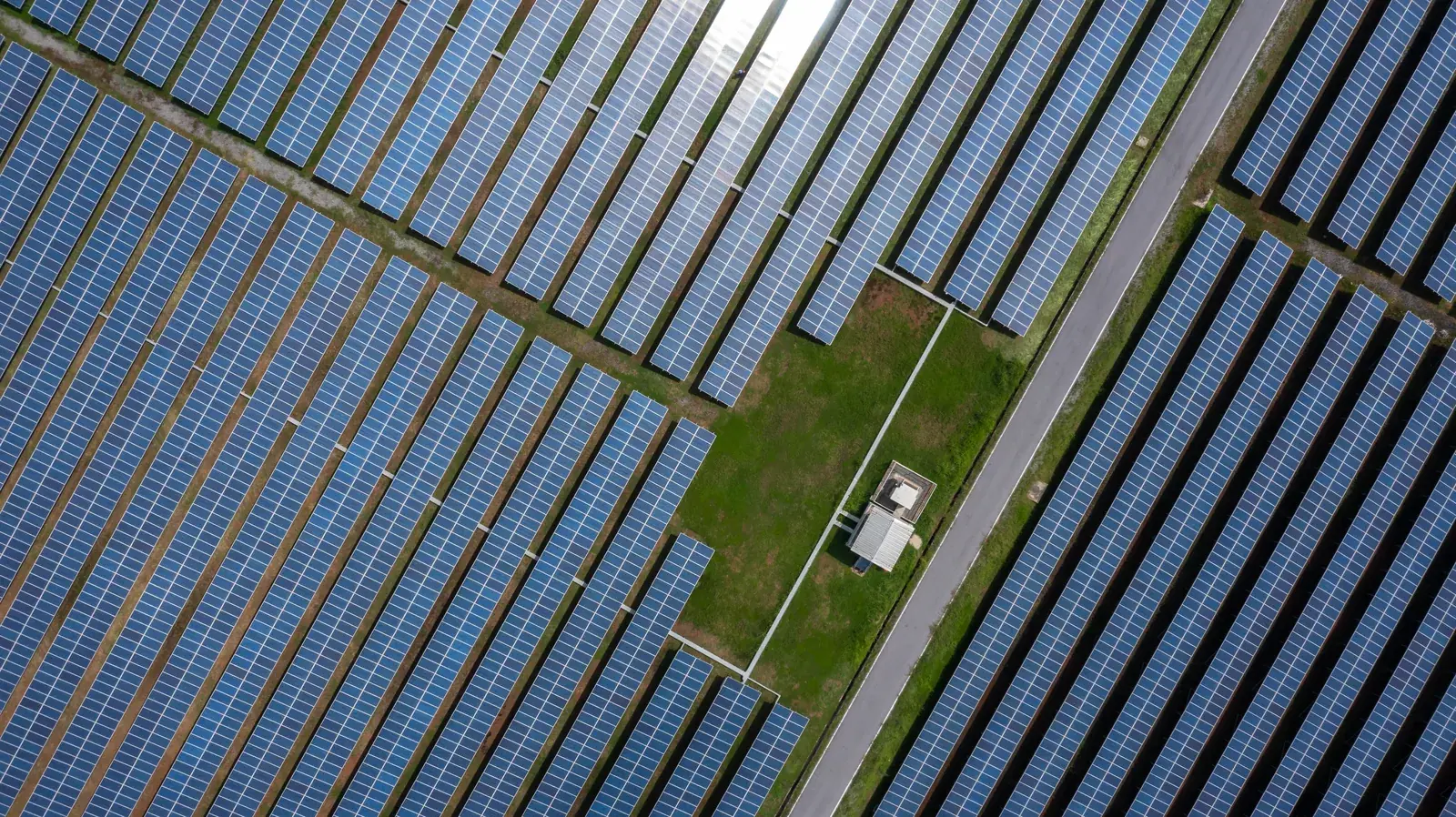
 ®
Fewer permit rejections
Drawings and calculations get built to the specific AHJ's standard from the start, instead of a generic package that comes back redlined.
Services for the solar trade
Permit packages, interconnection studies and structural calculations produced to the standard an AHJ or utility actually checks against.

Permit packs, shading analytics and single-line diagrams.
Drawings and calculations get built to the specific AHJ's standard from the start, instead of a generic package that comes back redlined.
Technical review and application support target the exact utility's process instead of a one-size interconnection filing.
BIM and clash detection surface a structural or routing conflict on screen instead of on a ladder.
Complete permit packages built to the specific AHJ reviewing them, not a generic template that comes back redlined.
Site plan, structural attachment detail, single-line diagram, equipment specs and NEC labeling all draft as one package, since a permit reviewer checks all of it, not just the roof layout.
Requirements vary meaningfully between AHJs, and packages here are drafted against the specific jurisdiction's checklist rather than a one-size template that draws a redline in a stricter jurisdiction.
Rapid-shutdown labeling and arc-fault protection detail are drawn into the package from the first draft, since that's where a large share of permit rejections actually originate.
Jurisdiction-specific requirements and NEC detail are built into the initial draft instead of getting corrected after a redline.
Permit packages move through a defined production timeline instead of an open-ended design queue.
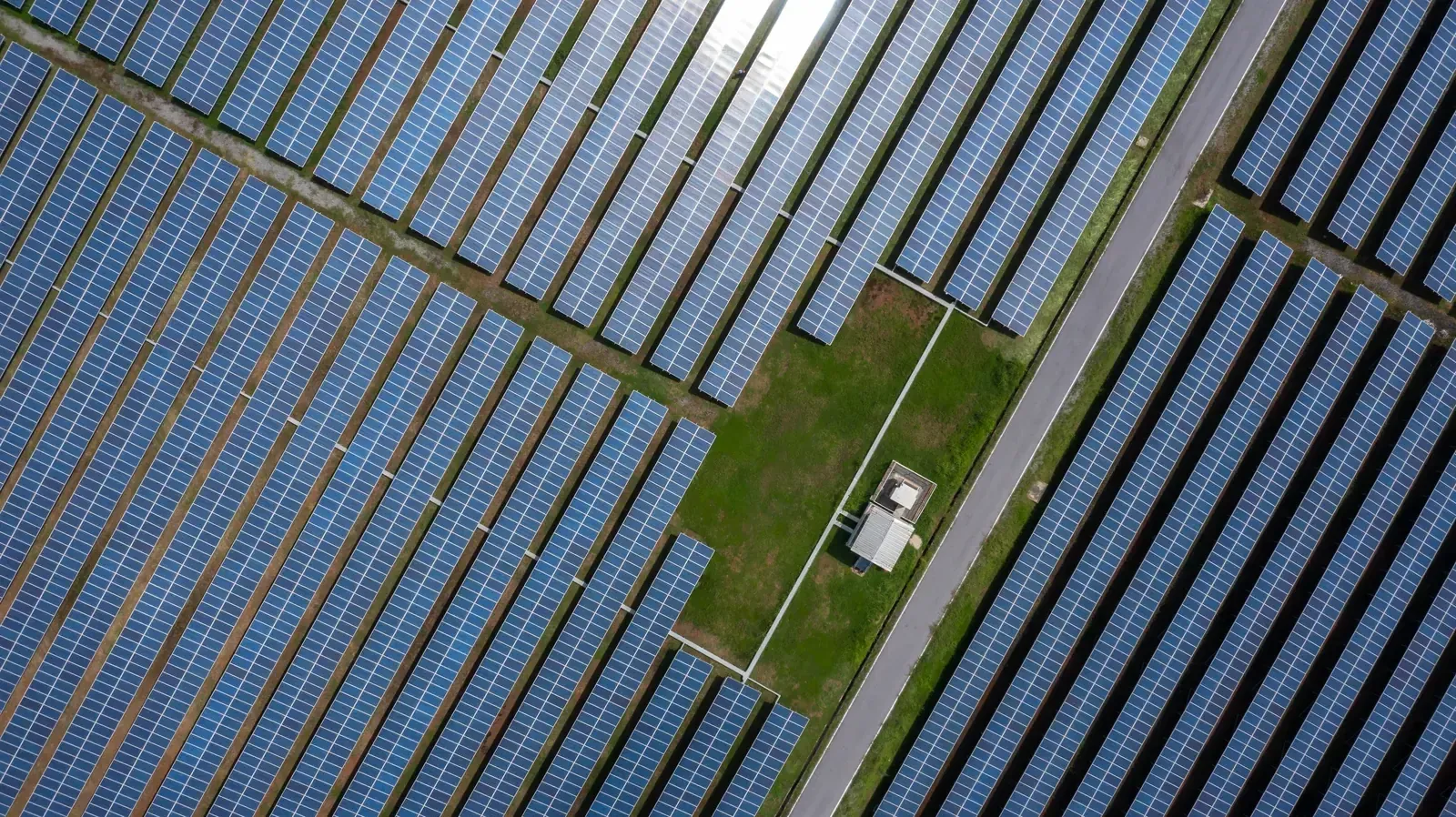
Yield modeling that accounts for real shading obstructions, so a production estimate holds up against actual site conditions.
Trees, adjacent structures and roof geometry get modeled against actual sun-path data for the site, replacing a generic shading percentage that either overstates or understates real production.
Shading results inform how strings get grouped and whether module-level power electronics make sense for a given roof, rather than sitting in a separate report nobody references during design.
Production estimates come with the documentation a financing partner or a performance-guarantee conversation actually asks for.
Modeled shading data replaces a generic derate, so year-one production estimates match what the system actually delivers.
String grouping and MLPE decisions get made with actual shading data, not a guess.
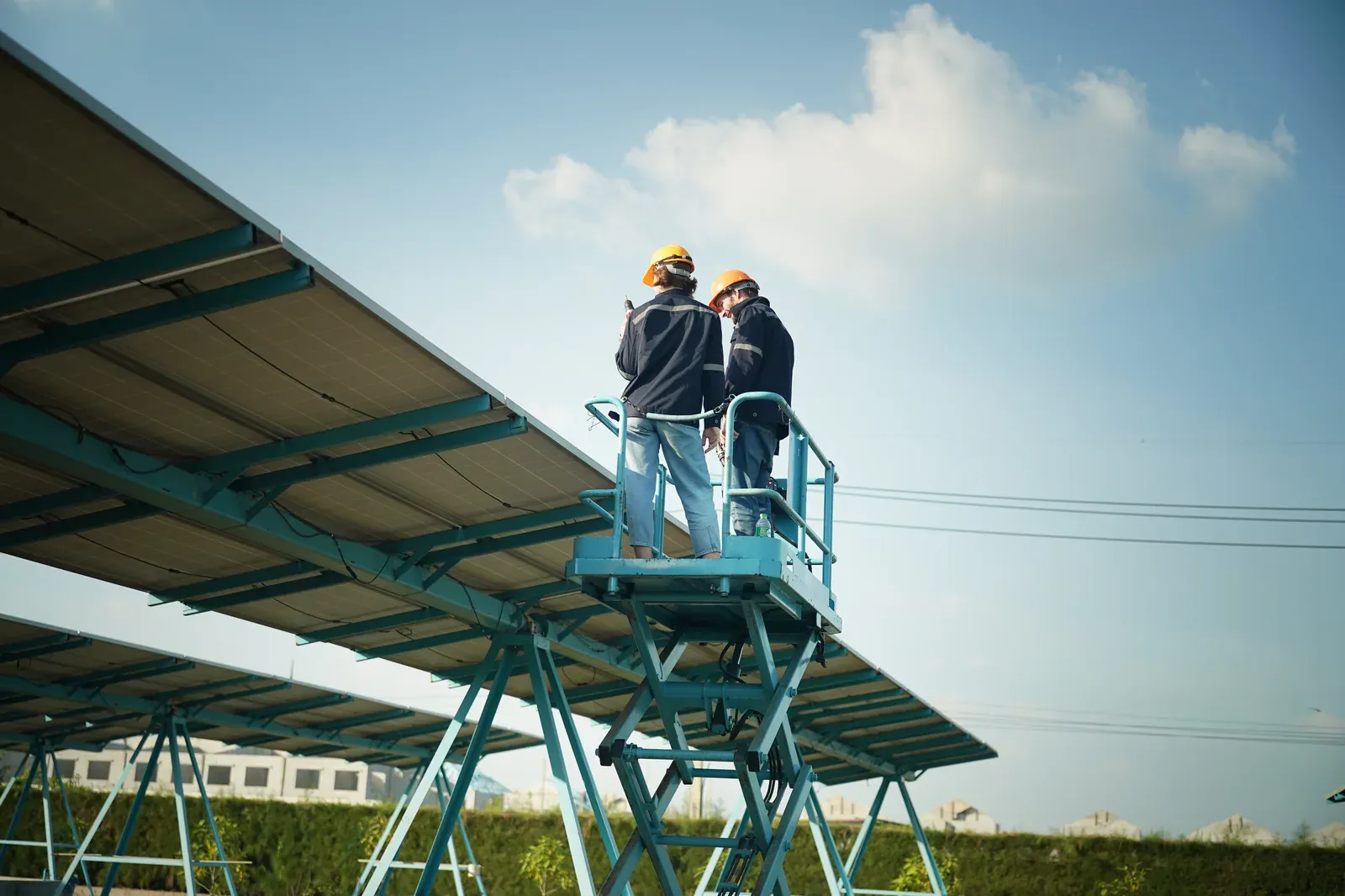
Single-line diagrams built to the NEC and utility standard a permit reviewer and an interconnection engineer both need to see.
A single-line diagram has to satisfy both a local AHJ's permitting checklist and a utility's interconnection engineering review, and drawings here are built to both standards from the start instead of requiring a second version.
Overcurrent protection, disconnects and equipment ratings are documented to the level of detail NEC 2023 and most utility interconnection standards expect.
Structural and electrical stamping requirements vary by state and utility, and SLDs here are stamped to match what the specific project's jurisdiction and interconnecting utility require.
A single SLD built to both AHJ and utility standards avoids drafting two separate versions.
Equipment detail and labeling match what reviewers actually check for the first time.
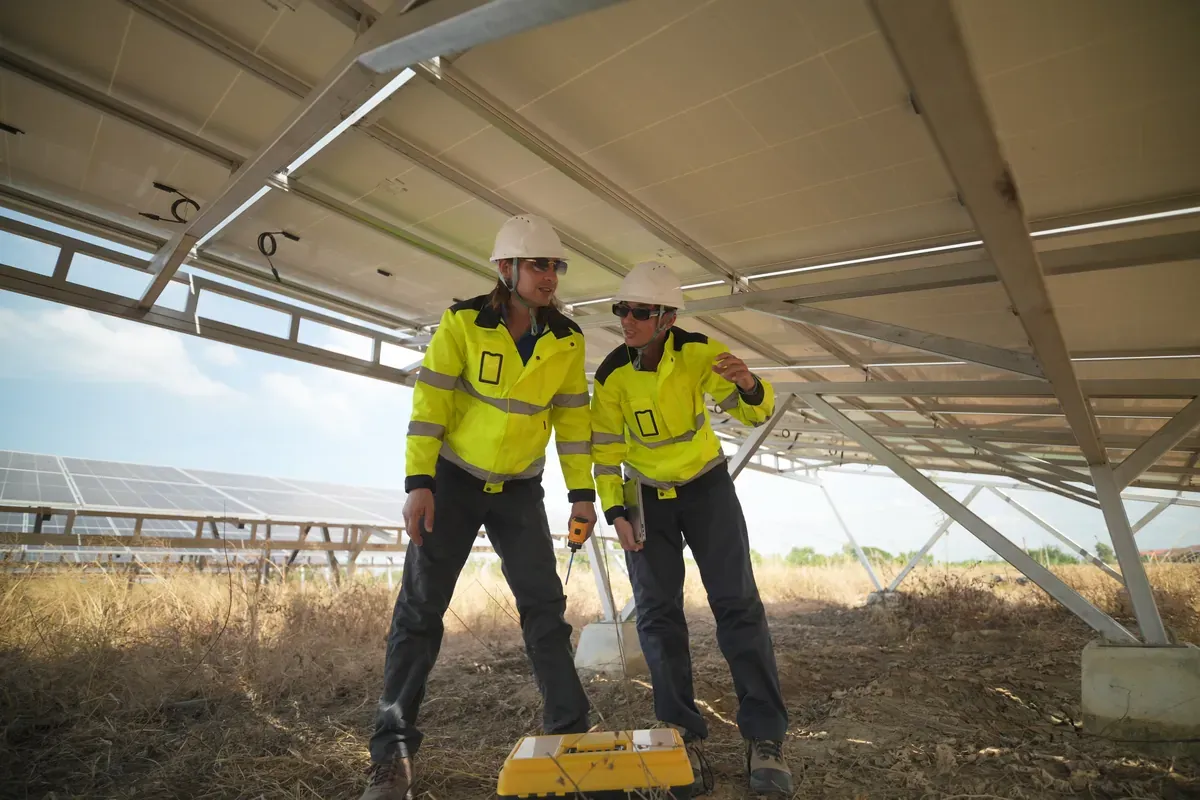
Stamped structural calculations for racking attachment, roof loading and foundation design, engineered to the specific site.
Wind, snow and seismic loading get calculated against the project's actual location and structure, since a generic load table is exactly what gets flagged in jurisdictions with stricter structural review.
Attachment point analysis for rooftop systems and pile or footing design for ground-mount projects are both in scope, engineered to the racking system actually being installed.
PE stamping requirements vary by state and by project scale, and calculations here are delivered stamped where the specific jurisdiction requires it.
Site-specific load calculations replace a generic table that draws scrutiny in stricter jurisdictions.
Stamping requirements get matched to the specific state and project scale before submission.
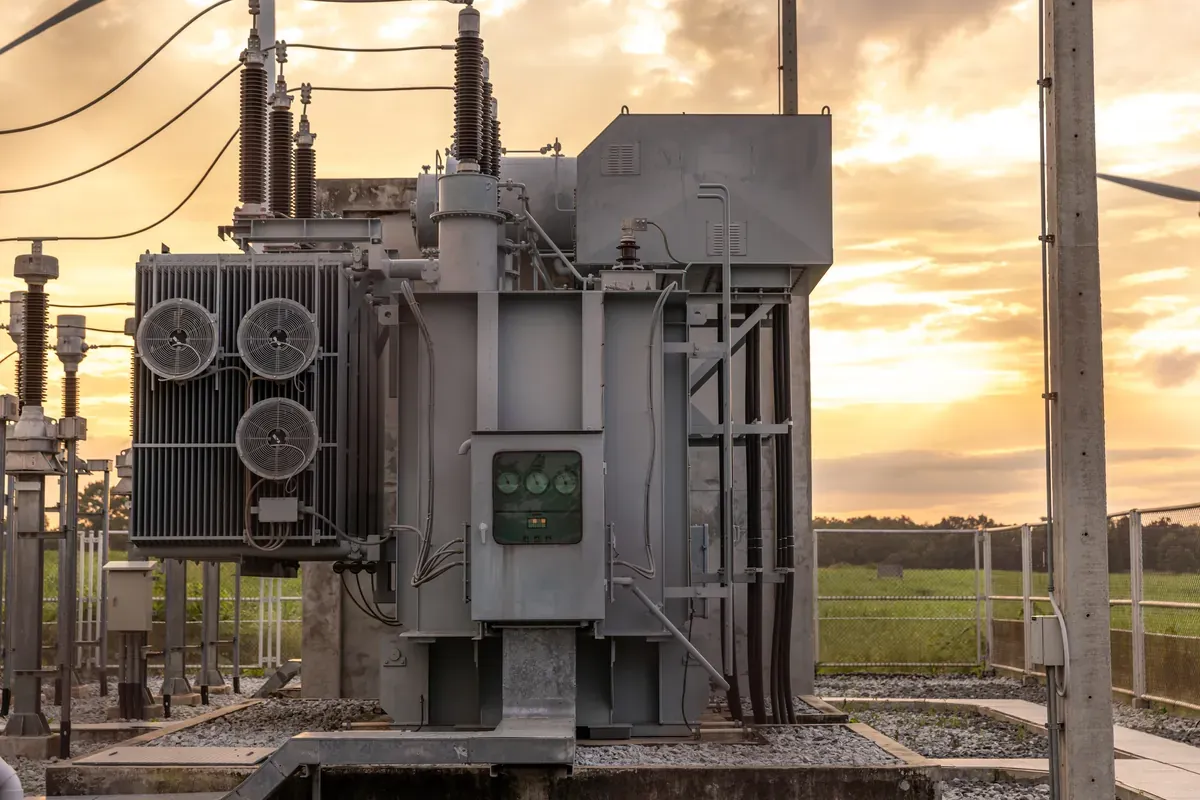
Application support and technical review for utility interconnection, the single biggest schedule risk on most solar projects today.
Median time from interconnection request to commercial operation now runs past five years in several regions, and most projects that enter a queue never reach commercial operation at all. Application support here focuses on submitting a complete, technically sound request the first time, since resubmissions cost queue position.
Load flow, short-circuit and voltage impact are reviewed internally before formal submission, catching a technical issue a utility's cluster study would otherwise flag months later.
Screening checks a project's technical package against the specific utility's interconnection standard before submission, since requirements vary meaningfully between utilities and even between service territories.
A technically complete first submission avoids restarting the clock on a multi-year queue.
Internal review catches load flow or voltage problems before they surface in a formal cluster study months later.
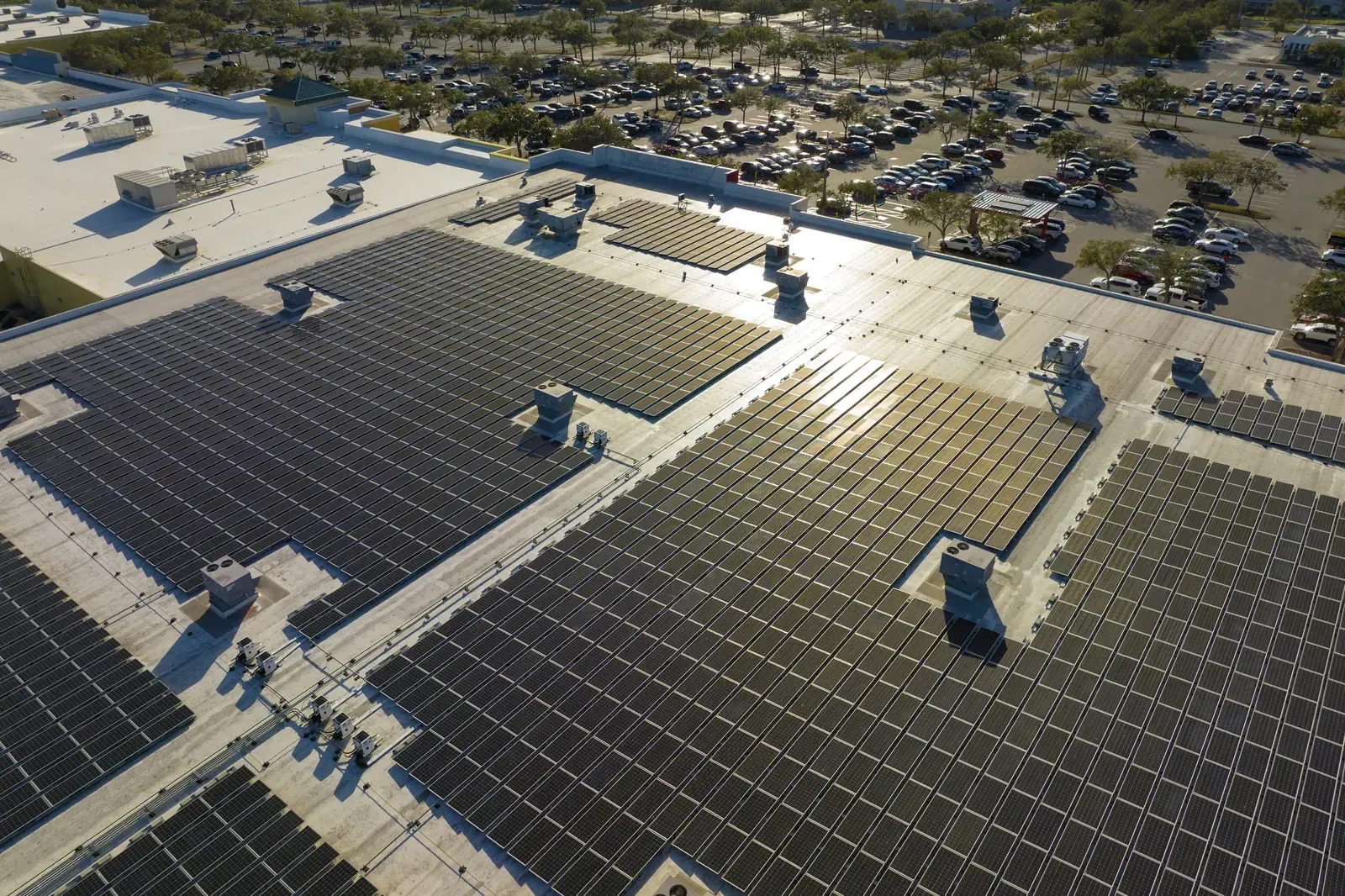
Building information modeling and 3D visualization that catches clash conditions between racking, conduit and structural members before installation.
Racking, conduit runs and structural members get modeled together so a physical conflict shows up on screen during design instead of as a change order once a crew is on the roof.
Renderings give a client, an AHJ reviewer or a financing partner a clear look at the finished system before construction starts, which is often what moves a stalled approval forward.
Modeling scope adapts to the project type, whether that's a complex rooftop with multiple roof planes or a ground-mount site with tracker rows and civil infrastructure.
Structural and routing conflicts surface during design review, not during installation.
Clear 3D visualization gives reviewers and financing partners what they need to approve a design without a back-and-forth.
Tell our team what you need, and explore the Sunhub services that fit your business.