 ®
Services for the solar trade
Procurement-as-a-service
Spend analytics, long-term agreements and supplier vetting run by a team that sources solar equipment for a living.

Procurement-as-a-service
Strategic sourcing run by the Sunhub trade desk.
What this means for your business
Lower BoM cost without hiring
Standardize procurement processes
Find savings, lock in capacity
Find savings a category view misses
Cross-category spend analytics surface patterns and savings a single equipment order never reveals on its own.
Lock in capacity and price ahead of a busy season
Long-term agreements structure pricing and availability before a project needs it, not during a supply crunch.
Procurement-as-a-Service

Outsourced, managed sourcing for organizations that want procurement expertise without building an internal team.
Managed sourcing without new headcount
Managed sourcing without a headcount commitment
Sourcing, supplier negotiation and order management run through a managed service instead of requiring a business to hire and train an internal procurement function before it's ready to justify the cost.
Expertise that already knows the market
A managed sourcing team that works solar procurement across many clients brings pricing and supplier knowledge a new internal hire takes months to build.
Scales with project volume
Support scales up during a busy season or down between projects, instead of a fixed internal headcount sized for peak demand year-round.
Expertise now, cost that scales
Get procurement expertise without the hiring cycle
Managed sourcing capability is available immediately instead of waiting on a recruiting and ramp-up timeline.
Pay for procurement capacity that matches actual volume
Support scales with the pipeline instead of carrying a fixed cost through slow periods.
Long-term Supply Agreements

Volume-based pricing and capacity reservation structured across multiple projects, negotiated once instead of purchase order by purchase order.
Pricing and capacity across your pipeline
Pricing locked across a project pipeline
Volume-based pricing negotiates once against a buyer's projected pipeline instead of being renegotiated on every individual purchase order, which matters most for a distributor or EPC with predictable, recurring demand.
Capacity reserved ahead of demand spikes
Reserved capacity with a supplier protects a buyer's allocation during a seasonal or policy-driven demand surge, the moments when spot-market buyers get pushed to the back of the queue.
Structured for real pipeline visibility
Agreement terms get built around a buyer's actual projected volume and timeline, not a generic annual contract that doesn't reflect how the pipeline actually moves.
Stop renegotiating, protect allocation
Stop renegotiating price on every order
Volume pricing locks in against the pipeline instead of resetting deal by deal.
Protect allocation during a demand spike
Reserved capacity holds a buyer's position when spot-market supply gets tight.
Tail-spend Consolidation

Low-dollar, high-frequency purchases consolidated under managed sourcing instead of scattered across dozens of unmanaged transactions.
Consolidating scattered low-dollar purchases
The Pareto pattern in solar procurement, addressed directly
A small share of suppliers typically accounts for most of a buyer's spend, while dozens of low-dollar, unmanaged purchases eat disproportionate procurement time relative to their value. Consolidation here brings that long tail under the same managed process as core spend.
Guided buying instead of maverick purchasing
Consolidated catalog access steers low-dollar purchases toward approved suppliers and pricing, cutting the off-contract buying that inflates tail spend in the first place.
PunchOut and catalog integration
Where a buyer already runs procurement through an internal system, catalog and PunchOut integration bring consolidated tail-spend suppliers into that existing workflow instead of requiring a separate portal.
Recover margin, cut buying overhead
Recover margin hiding in the long tail
Consolidating scattered low-dollar purchases under managed pricing captures savings a category-by-category view misses.
Cut the administrative overhead of maverick buying
Guided buying reduces the time procurement spends processing off-contract purchases.
Sustainability Sourcing

ESG-aligned sourcing criteria, including FEOC and UFLPA-clean supply chains, built into supplier vetting rather than layered on afterward.
ESG criteria built into vetting
Criteria built into vetting, not bolted on after
ESG sourcing criteria get checked as part of the standard supplier vetting process, rather than a separate compliance step added late in a deal that's already largely negotiated.
UFLPA and forced-labor traceability
Supply chain traceability to polysilicon origin, the documentation a UFLPA rebuttal actually requires, is part of the sourcing criteria here, not an afterthought triggered only when a shipment gets flagged.
FEOC-clean sourcing where it also protects tax credit eligibility
Sourcing decisions that keep a supply chain clear of prohibited foreign entity ties serve both an ESG goal and, on many projects now, direct tax credit eligibility.
Compliance and credit eligibility together
Build ESG compliance into sourcing from day one
Criteria apply during initial vetting instead of a late-stage compliance review that risks unwinding an already-negotiated deal.
Protect tax credit eligibility at the same time
FEOC-clean sourcing serves ESG goals and current tax credit eligibility requirements together.
Supplier Vetting

Verification and qualification of new supplier relationships before they touch a live project, not after.
How Sunhub vets new suppliers
Verification before the first order, not after
Business registration, licensing, insurance and product certifications get checked and confirmed before a new supplier is eligible to fill an order, catching a problem before it's a project's problem.
Financial and operational risk screening
Beyond product credentials, vetting looks at financial stability and operational history, the factors that predict whether a supplier can actually deliver at the volume a project needs.
References and performance history where available
Prior performance data and buyer references factor into qualification where they exist, adding a track-record check on top of paperwork verification.
Why vetting before the first order pays off
Catch a supplier problem before it's a project problem
Verification happens before the first order ships, not after a failed delivery.
Qualify new suppliers faster with a defined process
A structured vetting process moves a new supplier relationship to eligible status faster than ad hoc due diligence.
Spend Analytics
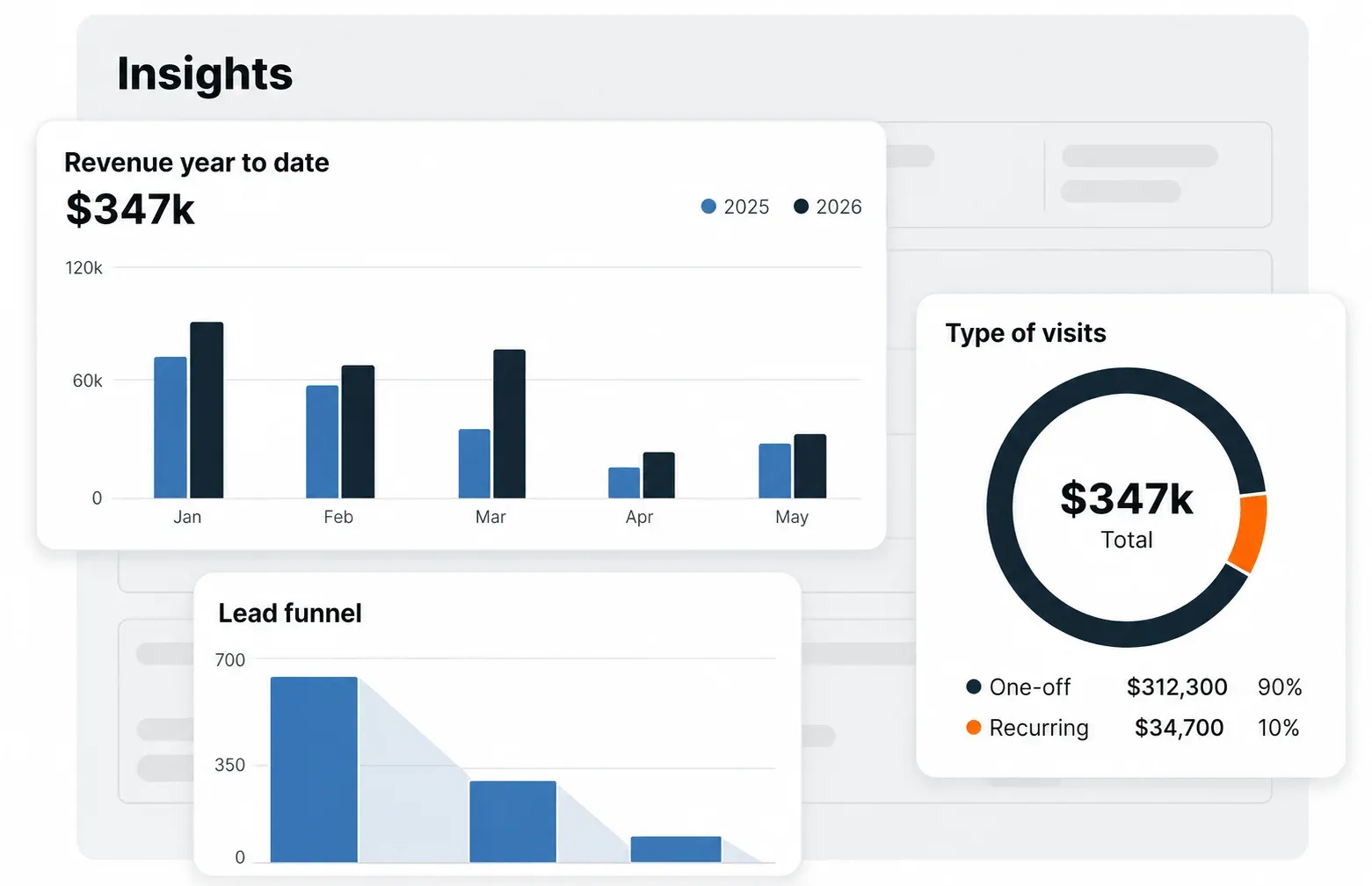
Spend visibility and dollar-per-watt benchmarking across a buyer's full procurement history, not a single purchase order at a time.
Full-history spend and dollar-per-watt benchmarking
A full-history view, not a purchase-by-purchase one
Spend gets analyzed across a buyer's entire procurement history and every category, surfacing patterns, like a specific product line consistently priced above market, that a single order never reveals.
Dollar-per-watt benchmarking against real market data
Pricing benchmarks against current market dollar-per-watt figures, not last year's assumptions, so a buyer knows immediately whether a quote is competitive.
Savings opportunities ranked by impact
Identified savings opportunities get ranked by dollar impact, so a procurement team can act on the highest-value fixes first instead of chasing every minor discrepancy.
See hidden savings, verify quotes
See savings a single order never reveals
Cross-category analysis surfaces pricing patterns invisible at the individual purchase-order level.
Know instantly if a quote is competitive
Real-time dollar-per-watt benchmarking replaces guessing against stale pricing assumptions. A quote either clears the current market benchmark or it doesn't, and that's visible before a purchase order goes out.
Guides for your next decision



Your questions, answered.
What does strategic procurement cover beyond individual equipment orders?
Strategic procurement looks across the whole spend rather than one order at a time: spend analytics, long-term supply agreements, supplier vetting, tail-spend consolidation, and sustainability sourcing. That wider view surfaces savings and capacity that a single-order approach misses. Sunhub runs it as a service with a team that sources solar equipment for a living.
Can a long-term supply agreement lock in pricing across multiple projects?
Yes. A long-term supply agreement can commit volume in exchange for locked pricing and reserved capacity across multiple projects, which shields a pipeline from spot-price swings and shortages. It works best when demand is reasonably predictable. Sunhub structures these to lock in capacity and price ahead of a busy season.
How is tail spend different from a company's main equipment procurement?
Tail spend is the long list of low-volume, ad hoc purchases outside the main negotiated categories, often many small suppliers and little oversight. Individually minor, it adds up and usually carries higher unit costs. Consolidating it, which Sunhub does as part of procurement-as-a-service, recovers savings a category-level view tends to miss.
What does Procurement-as-a-Service actually manage on a buyer's behalf?
PaaS manages sourcing end to end: finding suppliers, comparing and negotiating pricing, placing and tracking orders, and coordinating the market knowledge that keeps procurement efficient. It gives an organization procurement expertise without building an internal team for it. The service handles the sourcing workload so your staff can stay on project delivery.
Is PaaS a better fit than an internal procurement hire for a growing company?
It often is when volume is uneven or growing faster than you can hire, since PaaS delivers experienced procurement capacity without the hiring cycle or fixed headcount. You get market expertise immediately and pay for capacity that matches actual project volume. An internal hire makes more sense once volume is high and steady enough to justify a dedicated role.
More questions about these services
Can PaaS scale up or down as project volume changes?
Yes, the service is designed to scale with project volume rather than a fixed capacity. You add procurement support as pipeline grows and pull it back when volume dips, paying for the capacity you actually use. That flexibility is a core reason companies choose it over a fixed internal team.
What does a long-term supply agreement lock in that a standard purchase order doesn't?
An LTA locks in volume-based pricing and reserved capacity across a pipeline of projects, so you are not renegotiating price or fighting for allocation on every individual purchase order. A standard PO covers one order at the price and availability of that moment, with no forward commitment either way. The LTA trades one-off flexibility for pricing stability and supply certainty over time.
How much volume is typically needed to justify an LTA?
There is no fixed threshold, but LTAs make sense when a buyer has enough committed or forecast volume across a project pipeline that locking price and reserving capacity outweighs buying spot. The stronger and more visible the pipeline, the more leverage there is to structure favorable terms. Sunhub structures agreements around real pipeline visibility rather than a single arbitrary volume cutoff.
Can an LTA reserve manufacturing capacity ahead of a supply crunch?
Yes, reserving capacity ahead of demand is a core reason to sign an LTA, since it protects allocation during a supply crunch when spot buyers get squeezed on both price and availability. The agreement commits the supplier to hold production against your forecast so a demand spike doesn't leave your projects short. That forward reservation is exactly what a purchase-order-by-purchase-order approach can't guarantee.
What counts as tail spend in solar equipment procurement?
Tail spend is the long tail of low-dollar, high-frequency purchases, connectors, fasteners, fittings, small BOS items, and one-off parts, that individually look minor but collectively add up. It usually sits outside managed sourcing and gets bought ad hoc across many vendors. That scattered, unmanaged pattern is exactly what tail-spend consolidation targets.
How much can consolidating tail spend actually save?
Savings come from two places: better pricing through consolidated volume and lower administrative cost from fewer transactions, vendors, and invoices to process. The transaction-processing overhead of maverick buying is often a larger hidden cost than the unit prices themselves. Actual savings depend on how fragmented the current spend is, so the more scattered the buying, the more there is to recover.
Does tail-spend management integrate with an existing PunchOut or catalog system?
Yes, it is designed to work through PunchOut and catalog integration so guided buying happens inside the procurement tools a team already uses. Approved products and pricing surface in the existing system, which channels purchases through managed sourcing instead of ad hoc orders. That keeps consolidation from adding a separate workflow people have to remember.
What ESG criteria are typically checked for solar equipment sourcing?
Common criteria include labor practices and forced-labor traceability, supply chain transparency back to raw materials, manufacturing emissions and energy use, and responsible sourcing of key inputs. Buyers increasingly also screen for tariff and trade-compliance exposure. Building these checks into supplier vetting from the start is more reliable than auditing after the order.
How does UFLPA compliance factor into sustainable procurement?
The Uyghur Forced Labor Prevention Act presumes goods tied to certain regions are made with forced labor and blocks their import unless the supplier can trace the chain and rebut that presumption. For solar that means documenting polysilicon and wafer origin. Vetting suppliers for that traceability up front avoids customs holds and keeps a project both compliant and on schedule.
Does FEOC-clean sourcing affect tax credit eligibility as well as ESG goals?
Yes. Foreign-entity-of-concern restrictions are tied to eligibility for certain federal clean-energy tax credits, so FEOC-clean sourcing protects both ESG standing and the project's credit value. That makes supplier origin a financial question, not only a compliance one. Screening for it during vetting addresses both goals at once.
What gets checked during solar supplier vetting?
Vetting typically verifies the supplier's business legitimacy, financial and operational stability, product certifications and warranties, and available references and performance history. The goal is to confirm the relationship before the first order rather than discovering a problem mid-project. Sunhub screens these areas so a supplier issue does not become a project issue.
How long does supplier qualification typically take?
Timing depends on how quickly the supplier provides documentation and references, but a defined process moves faster than ad hoc checks. Straightforward suppliers clear in days, while ones with limited history or financial questions take longer. Sunhub uses a defined process to qualify new suppliers faster.
Does vetting cover financial stability as well as product certification?
Yes. Vetting covers financial and operational risk screening alongside product certification, since a certified product from a supplier who cannot deliver or honor a warranty is still a project risk. Both dimensions are checked before the supplier touches a live project.
What does spend analytics actually surface that a single purchase order doesn't?
A single PO shows one price at one moment; spend analytics looks across your full procurement history to reveal patterns, such as paying different rates for the same equipment, category-level cost creep, or savings concentrated in a few suppliers. It ranks opportunities by dollar impact so attention goes where it moves the most money. That portfolio view is what a purchase-by-purchase lens can never expose.
Can spend analytics benchmark pricing across different suppliers automatically?
Yes. It compares your paid prices against market data on a normalized basis, commonly dollar-per-watt, so you can see how a quote or a past order stacks up across suppliers rather than judging each in isolation. That lets a buyer tell almost immediately whether a new quote is competitive instead of relying on gut feel or a single reference point.
How often is spend data refreshed for ongoing analysis?
Spend data updates as new orders flow through, so the view reflects recent activity rather than a stale quarterly snapshot. The benchmarking behind it moves with market pricing as well, which keeps a dollar-per-watt comparison meaningful over time. The practical effect is that you can check a fresh quote against current data rather than last quarter's.
Plan the next step for your business
Tell our team what you need, and explore the Sunhub services that fit your business.