 ®
Storage & microgrids
Standalone & hybrid BESS
Explore solutionsFrom a rooftop installation to a utility-scale development, connect your project with the equipment, suppliers and support it needs.

Explore equipment and sourcing workflows for your part of the solar industry.
Rooftop, ground-mount and home battery backup. Verified panels, microinverters and racking sourced in kit or a la carte.
Flat roof, ballasted, carports, canopies and micro-grids for the complexity real C&I projects run into.
Trackers, modules and HV BoS from 5 MW to 1 GW. Container forwarding and value engineering under one PO.
PV systems engineered to coexist with working farms. Equipment sourced around the land's dual use.
Extend asset life and replace legacy hardware with spares, monitoring and warranty replacements from active yards.
Level 2 and DCFC charging at scale. Chargers, switchgear and storage sourced against real freight windows.
Remote sites, specialty enclosures and custom fabrication routed through the same verified supplier network.
Your requirements may span more than one category. Our team can help bring the pieces together.
Standalone & hybrid BESS
Explore solutionsK-12, campus, municipal
Explore solutionsTrade contractors & GCs
Explore solutionsExplore equipment requirements for repowering, EV infrastructure and off-grid applications.
Level 2 and DC fast charging equipment for fleet, workplace and highway corridor sites, sourced against service capacity and NEVI funding requirements.
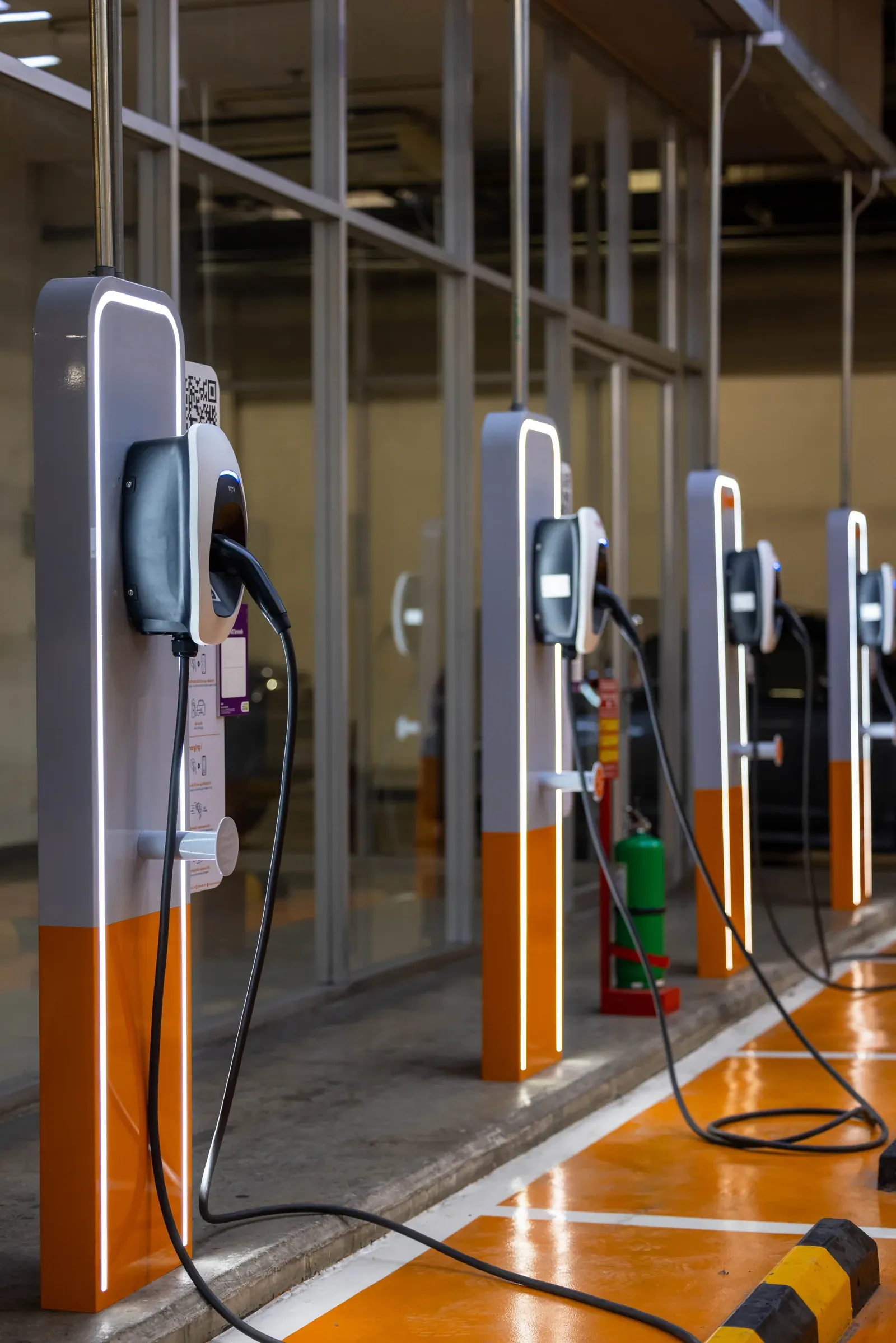
Fleet depots and workplace sites, where vehicles sit for hours, are usually best served by Level 2 charging, while highway corridor and quick-turn commercial sites need DC fast charging output. Sourcing separates equipment by that use case.
Federally funded NEVI corridor sites carry minimum uptime and output requirements, and increasingly a domestic-sourcing threshold, and listings here are flagged against those requirements before a site gets built to a spec that doesn't qualify.
Combined sites need array output, storage and charger demand sized together, not as three separate purchases that happen to share a meter.
Charger type and count match to dwell time and traffic pattern instead of a one-size deployment.
Complete off-grid systems, panel through battery, sized for real autonomy requirements rather than a rough days-of-storage estimate.
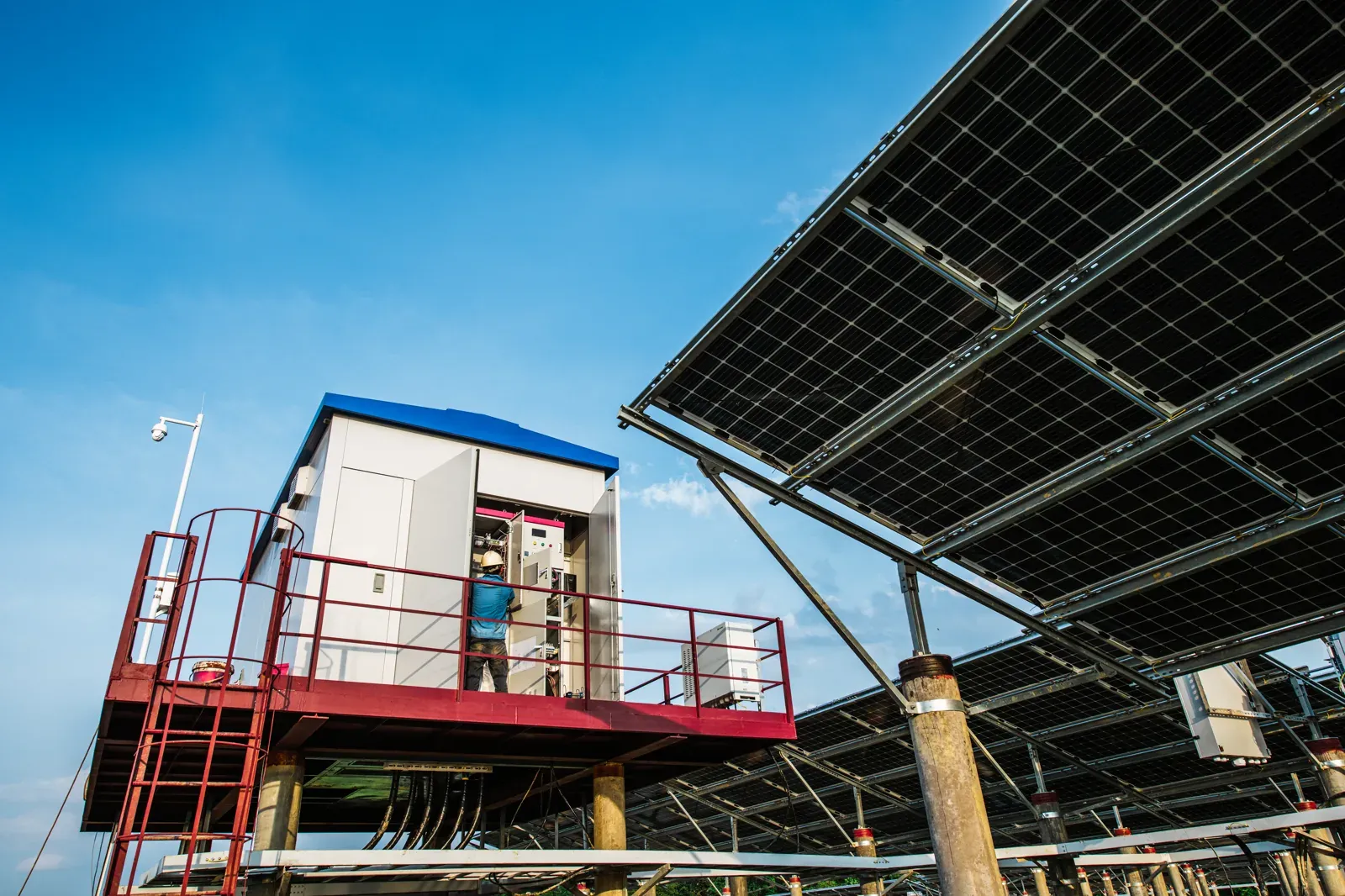
Panels, charge controller, inverter and battery all get sourced as one system here, since an off-grid design fails if any one component is undersized relative to the others, unlike a grid-tied system that has the grid as a backstop.
Days-of-autonomy targets get calculated against actual load and local solar resource data, since a remote site has no grid to fall back on if the sizing estimate runs short.
MPPT charge controller selection depends on the specific battery chemistry and voltage window in the system, and sourcing here checks that compatibility rather than assuming any controller works with any battery.
Full-system sizing against real load and autonomy needs catches a gap before it becomes a dead battery in the field.
Replacement modules, inverters and parts for aging solar assets, cross-referenced against equipment already in the ground.

A module or inverter installed a decade ago rarely has an exact successor still in production, and sourcing here maps electrical and mechanical equivalents so a repowering job doesn't stall on a discontinued part number.
Some replacement components are only available through secondary or surplus channels, and verified listings here cover that market alongside new equipment.
Full repowering, replacing an aging system's modules and inverters wholesale rather than patching failures, often pencils out once degradation crosses a threshold, and sourcing supports that full-system replacement path too.
Cross-reference data gets a compatible replacement specified in the time it used to take just to find the original part number.
Buying for a rooftop, a commercial site or a larger development brings different requirements. Start with the same connected marketplace, supplier network and logistics support.
Compare equipment costs, freight and commercial terms together, so your team can evaluate the full cost of an order.
Explore modules, inverters, racking and storage from manufacturers and suppliers across the solar trade.
Review supplier information, product specifications and transaction terms before choosing who to work with.
Connect purchasing decisions with freight, warehousing and delivery requirements from the start.
Share your equipment requirements, timeline and delivery needs. Our team can help you explore the right options.