 ®
Sunhub for your business
Residential solar
Equipment sourcing for installers and distributors serving residential jobs, from rooftop racking to home battery backup, priced and stocked for fast turnaround.
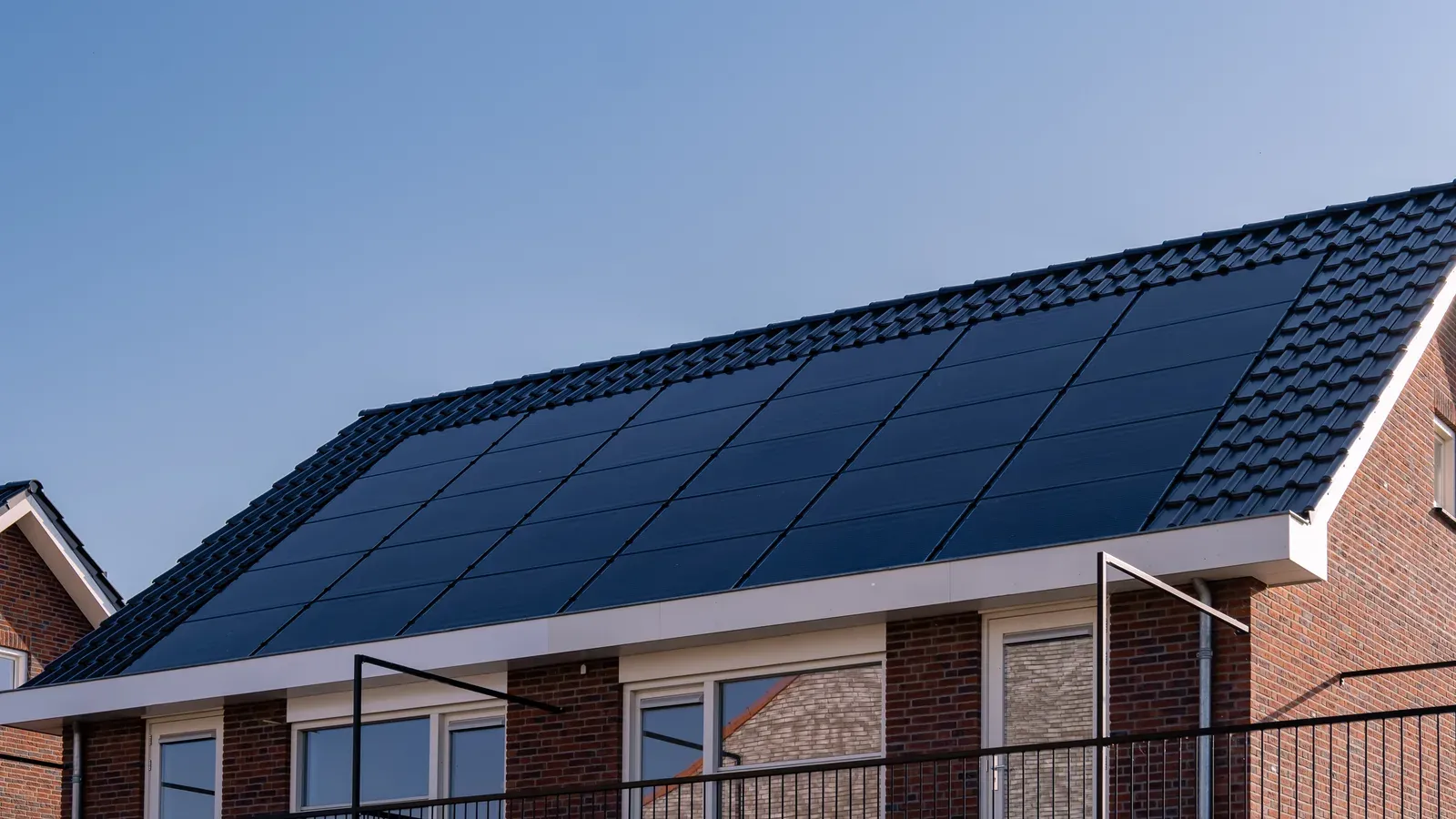
Residential solar
Rooftop, ground mounts and home battery backup.
Sunhub gives residential crews and their distributors one place to price, stock and ship the equipment a real job needs.
What this means for your business
Stabilize module supply
Standardize on a smaller SKU set
How sourcing changes for residential jobs
Replenish fast-moving SKUs without a rep call
Crews restock racking, microinverters and BOS components job to job without waiting on a distributor phone tree.
Get a permit-ready design, not just a component list
Plan sets arrive ready for AHJ submission instead of needing a separate design pass.
Price a home battery job with real sizing
Battery capacity gets matched to the load profile being quoted, not a flat default that either underdelivers or overcharges the customer.
Rooftop Systems

Roof-type-specific attachment hardware for residential rooftop installs, sourced with the flashing and wire management a crew needs on site.
Attachment hardware sourced by roof type
Attachment hardware by roof type
Composition shingle, tile and standing-seam metal roofs each need a different flashing and attachment approach, sourced here by roof type rather than a universal mounting foot.
Flashing included, not sourced separately
Flashing kits ship matched to the attachment hardware, which is what keeps a warranty claim from tracing back to a mismatched flashing product a crew improvised on site.
Wire management and rapid-shutdown wiring on the same list
Conduit, wire clips and the rapid-shutdown wiring NEC 690.12 requires on buildings are sourced as part of the same rooftop kit, not a separate BOS trip.
Right hardware, intact roof warranty
Match hardware to the roof the first time
Attachment type gets specified by roof material before installation, not discovered as a warranty issue later.
Keep the flashing warranty intact
Matched flashing and attachment hardware protect the roofing manufacturer's warranty instead of voiding it.
Ground Mounts

Ground-mount racking kits for residential jobs without a usable roof, sourced with the foundation hardware a crew needs on-site.
Ground-mount kits and foundation hardware
Complete kits, not just rails
Ground-mount kits here include the foundation hardware, whether driven piles, helical piers or poured footings, that a crew actually needs on site, not just the racking rail system.
Foundation matched to soil conditions
Foundation type gets selected against regional soil and frost-depth conditions instead of a single default that may not hold in every geography.
The rapid-shutdown advantage
Ground-mount arrays fall outside NEC 690.12's rapid-shutdown requirement for conductors on buildings, which simplifies the BOS list compared to a rooftop job on the same property.
Fewer sourcing trips, simpler BOS
Show up with the full kit
Foundation hardware ships with the racking instead of a separate sourcing trip once the rails are already on site.
Skip unnecessary rapid-shutdown components
The ground-mount exemption gets applied correctly, simplifying the BOS list without missing a requirement that does apply.
Home Battery Backup

LFP home battery systems sourced by installers for backup and self-consumption jobs, sized to the load profile being quoted.
How home battery systems are sourced
LFP as the standard chemistry
Lithium iron phosphate has become the default for new residential storage listings on thermal stability, and sourcing here is built around that chemistry with clear flags where an NMC alternative still applies.
Sized by use case, not a flat default
Backup-focused systems and self-consumption-focused systems get sized differently against the same home's load data, and this guide separates that sizing logic instead of quoting one capacity for both.
Retrofit-ready AC-coupled options
Adding storage to an existing PV system usually means AC coupling, and listings here flag which battery and inverter combinations are qualified for that retrofit path.
Better battery quotes and retrofits
Quote the right capacity the first time
Backup and self-consumption sizing get calculated separately against actual load data.
Add storage to an existing system without a compatibility surprise
AC-coupled retrofit compatibility gets checked before the sale, not during commissioning.
Microinverter Kits
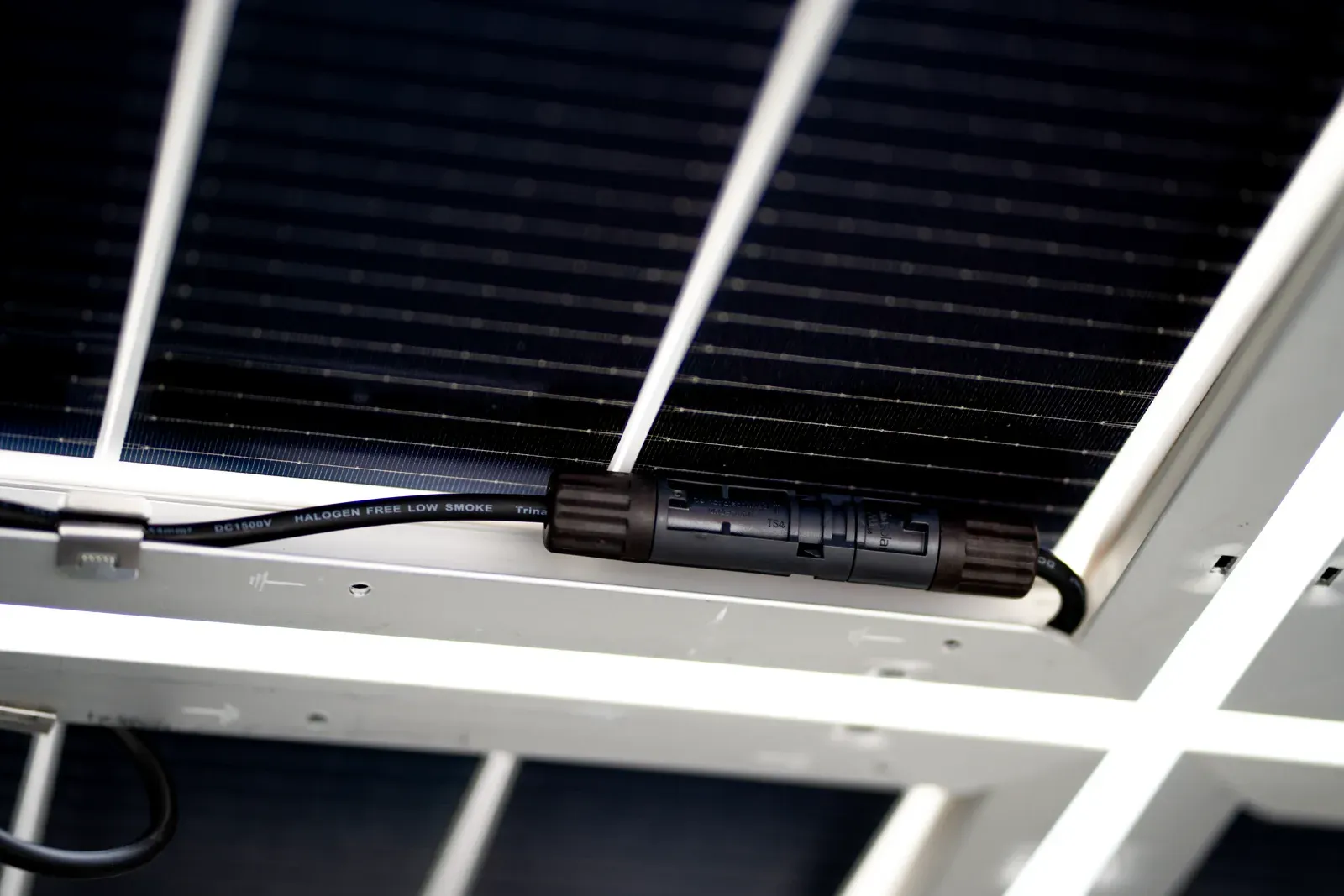
Microinverter kits sourced by installers for module-level power electronics and simplified rapid-shutdown compliance on residential roofs.
Microinverter kits matched to your panels
Kits matched to panel wattage
Microinverters are sourced matched to the specific module wattage and voltage window in a project, since an undersized microinverter caps a panel's output before it ever reaches the roof.
Built-in rapid-shutdown compliance
Module-level shutdown is inherent to a microinverter architecture, which satisfies NEC 690.12 without the additional rapid-shutdown devices a string inverter system needs.
Module-level monitoring included
Per-panel production data comes standard with most microinverter systems, giving a crew shading and fault diagnostics a string-level system can't match.
Right-sized kits, simpler shutdown
Stop over- or under-sizing microinverters
Wattage and voltage compatibility gets checked against the specific panel before the kit ships.
Simplify the rapid-shutdown BOS list
Module-level shutdown covers the NEC 690.12 requirement without extra shutdown devices.
Bring your residential BoM. We'll price it landed.

Upload the plan set, compare landed cost from verified suppliers, and lock the equipment for the next job before the permit clears.
Delivery planning for your project

Yards, cross-dock hubs and last-mile partners tuned to the routes residential crews actually run.
Guides for your next decision



Your questions, answered.
What equipment categories are specific to residential installs?
Residential jobs lean on rooftop and ground-mount racking, microinverter or string kits sized for smaller arrays, and home battery backup systems, along with the balance-of-system hardware those require. The scale and roof-attachment methods differ from commercial work, so the SKUs are tailored to residential loads and turnaround. Sunhub stocks these categories for fast replenishment on installer schedules.
How fast can installers replenish fast-moving residential SKUs?
Fast-moving residential SKUs are stocked for quick turnaround, so installers can reorder directly through the marketplace without waiting on a rep call. Actual delivery depends on item availability and shipping distance, but the goal is to keep crews from stalling between jobs. Ordering runs through the same platform thread, so reorders don't require re-keying account or shipping details.
Does residential equipment sourcing include permit-ready plan sets?
Yes, Sunhub can provide permit-ready plan sets, not just a component list, so installers get a design package that supports the permit submission. The exact requirements vary by AHJ, so plan sets are prepared against the jurisdiction's expectations for the job. This pairs the equipment order with the documentation needed to move a residential project through permitting.
Does attachment hardware differ between shingle, tile and metal roofs?
Yes, each roof type uses distinct attachment hardware: shingle roofs typically use flashed lag-bolt mounts or flashed feet, tile roofs use tile hooks or replacement-tile mounts, and metal roofs use standing-seam clamps or through-fastened brackets with sealant. Matching the hardware to the exact roof avoids leaks and failed inspections. Sourcing the hardware by roof type up front means the crew gets the right mounts the first time.
What NEC requirements apply to rooftop attachment wiring?
Rooftop wiring on residential systems generally must meet NEC Article 690 for PV systems, including rapid shutdown under 690.12, along with grounding, conductor protection, and secure wire management. The specifics depend on your edition of the NEC and the local AHJ, so confirm the adopted code cycle before final layout. Keeping the rapid-shutdown wiring and wire management on the same parts list keeps the install code-ready.
More questions about these services
Does flashing need to be sourced separately from the mounting hardware?
It should not have to be. On Sunhub, flashing is included with the attachment hardware rather than sourced as a separate line, so the crew is not improvising seals on site. Using the manufacturer's matched flashing with its mount is also what keeps the flashing and roof warranties intact.
When does a residential job call for ground-mount instead of rooftop racking?
Ground-mount makes sense when the roof cannot carry the system, whether from age, structural limits, shading, an unfavorable orientation, or simply too little usable area. Open land adjacent to the home, larger system sizes, and homeowners planning a future roof replacement also push jobs toward ground-mount. Sunhub supplies complete ground-mount kits so a crew arrives with rails and foundation hardware together.
What foundation options exist for residential ground-mount racking?
Common residential foundations include driven steel piles, ground screws, and concrete piers or ballasted footings, with the right choice driven by soil type, frost depth, and local wind and snow loads. Rocky or unstable soils may call for a geotechnical check or a helical pile. Matching the foundation to actual site conditions is what keeps the array within code and manufacturer specs.
Does ground-mount racking avoid NEC rapid shutdown requirements?
NEC rapid shutdown under 690.12 applies specifically to arrays on or in buildings, so a true standalone ground-mount that is not attached to a structure generally falls outside that requirement. Other NEC provisions for disconnects, grounding, and labeling still apply, and the AHJ has the final say. Confirm with your local inspector before leaving rapid-shutdown components off a design.
What battery chemistry do most residential installs use now?
Lithium iron phosphate, or LFP, has become the standard chemistry for residential storage. It offers strong cycle life, a wide safe operating range, and better thermal stability than older NMC lithium-ion, which matters in a home setting. Most current backup and self-consumption systems installers quote are LFP, and Sunhub's residential battery listings reflect that as the default.
How is a home battery sized for backup versus self-consumption?
Backup sizing works from the loads a homeowner wants to carry through an outage and for how long, so it's driven by critical load and desired runtime. Self-consumption sizing works from the daily solar surplus and evening usage, aiming to store excess production for later in the day. The two goals can point to different capacities, so size against the actual load profile being quoted rather than a flat default.
Can AC-coupled batteries be added to an existing residential PV system?
Yes, AC-coupled storage is the common retrofit path because it pairs with an existing PV inverter rather than replacing it. The battery has its own inverter and connects on the AC side, which usually avoids reworking the original array. Confirm the existing system's capacity, interconnection, and breaker space first, and Sunhub's retrofit-ready AC-coupled options are listed with that compatibility check in mind.
Why do microinverters simplify NEC rapid-shutdown compliance?
Microinverters convert DC to AC at each module, so the high-voltage DC that rapid shutdown targets never runs across the roof. That means module-level shutdown is inherent to the architecture rather than added through separate rapid-shutdown devices and initiators. The result is a shorter balance-of-system list and fewer components to coordinate for compliance.
How are microinverter kits matched to panel wattage?
Each microinverter has an input power and current window, and the paired module's wattage and operating current should fall inside it. A microinverter sized well below panel output clips production in peak sun, while one sized far above it wastes cost and headroom. Kits are assembled so the microinverter model corresponds to the module's wattage class and current, which is why matching by panel spec avoids over- or under-sizing.
What's the trade-off between microinverters and a string inverter with optimizers?
Both deliver module-level power electronics and rapid-shutdown compliance, but they distribute the hardware differently. Microinverters put a full inverter at every module, simplifying design and monitoring but adding per-module cost and more rooftop electronics; a string inverter with optimizers centralizes conversion, which can lower cost on larger or simpler roofs while adding a single point to service. Roof complexity, shading, and array size usually decide which fits.
Put Sunhub to work on your next residential job
Verified suppliers, permit-ready plan sets and the logistics to deliver it, priced landed.