 ®
Sunhub for your business
Utility-scale solar
Tracker, module and HV balance-of-system sourcing for utility-scale projects from 5 MW to 1 GW, structured around COD and tax-equity deadlines.
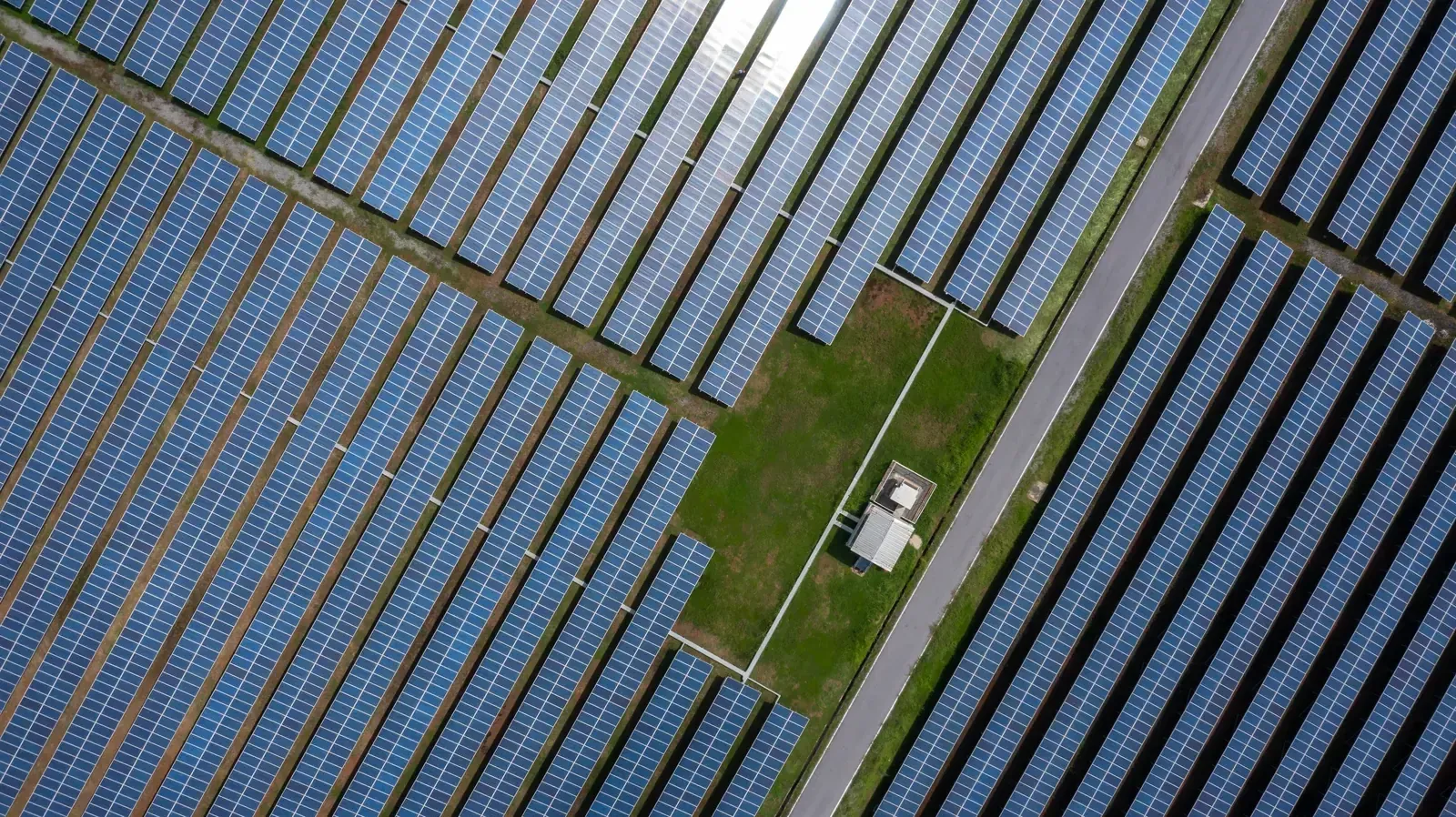
Utility-scale solar
Trackers, modules and HV BoS from 5 MW to 1 GW.
Source modules, trackers, central inverters and HV BoS in container volume, priced landed and locked to COD.
What this means for your business
Hit domestic-content thresholds for bonus ITC
Lower delivered $/W across the BoM
Allocation, domestic content and cost per watt
Lock allocation against a tight COD
Tracker and module allocation gets secured against the project's actual commercial-operation-date timeline, not a first-come queue.
Hit domestic-content thresholds for bonus ITC
Sourcing decisions get made with the domestic-content bonus in view from the start, not reconstructed after the fact for a tax equity investor's diligence.
Lower delivered dollar-per-watt across the bill of materials
Benchmarked pricing across trackers, modules and BOS keeps a project's blended cost competitive against current market, not last year's assumptions.
Single-axis Trackers
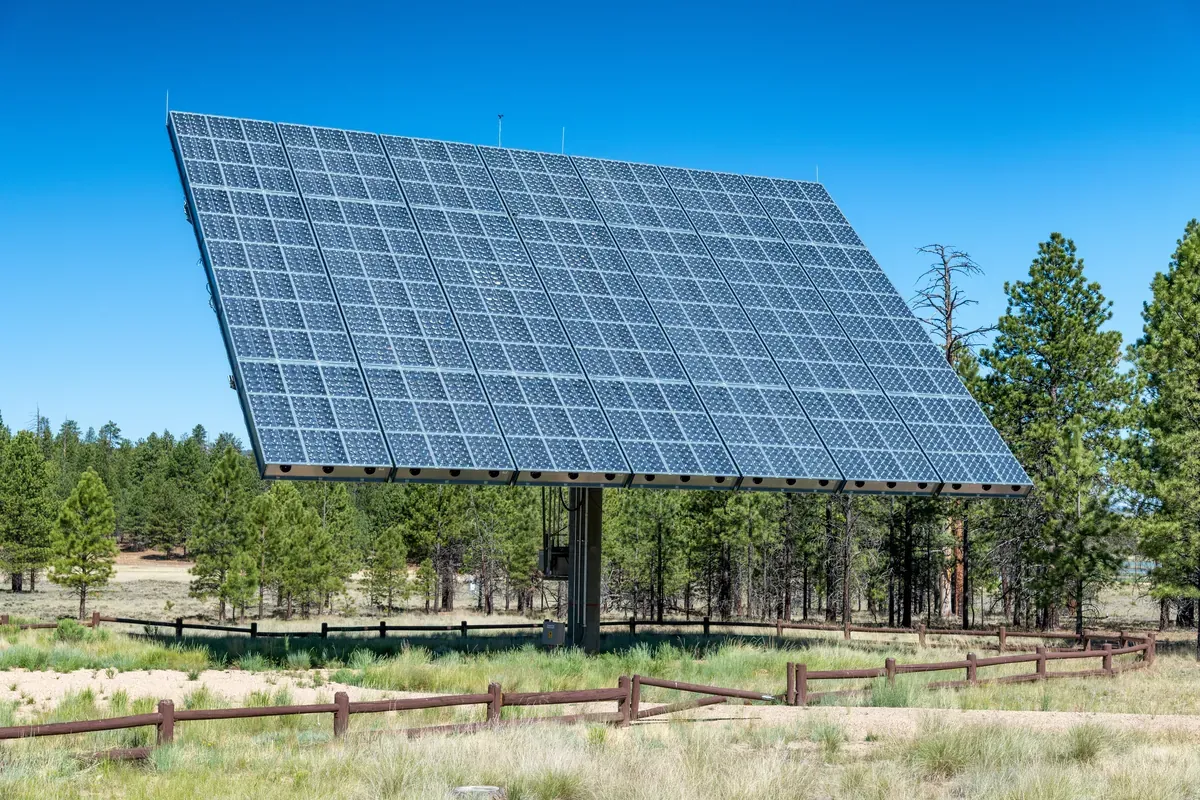
Single-axis tracker procurement benchmarked against current delivered dollar-per-watt, sourced across every major OEM rather than one preferred vendor.
Tracker allocation, economics and foundations
Allocation across the major tracker OEMs
Direct access to allocation across the leading single-axis tracker manufacturers, benchmarked on delivered dollar-per-watt against current market rather than negotiating from a single vendor's list price.
Tracker versus fixed-tilt economics
Single-axis trackers typically deliver a meaningful energy yield gain per acre over fixed-tilt racking, and this guide covers where that yield gain clears the added mechanical cost and where fixed-tilt still wins on simpler sites.
Foundation and civil interaction
Tracker choice sets the pile embedment, spacing and reveal-height requirements civil design has to build around, so tracker OEM selection and foundation design get sourced as one decision, not two sequential ones.
Domestic content status by OEM
Tracker steel and component sourcing varies by OEM, and domestic-content bonus eligibility gets checked against the specific tracker line a project is speccing, not assumed across the category.
Benchmarked pricing aligned to COD
Benchmark price across OEMs, not against one quote
Delivered dollar-per-watt gets compared across the major tracker manufacturers instead of anchored to a single vendor relationship.
Lock allocation and lead time to the project's COD
Tracker delivery gets sequenced against the project's actual commercial operation date, not a vendor's general production queue.
Get foundation design and tracker choice aligned from day one
Civil design accounts for the specific tracker OEM's foundation requirements before piles are ordered, not after a mismatch surfaces on site.
Site Civil & Geotech
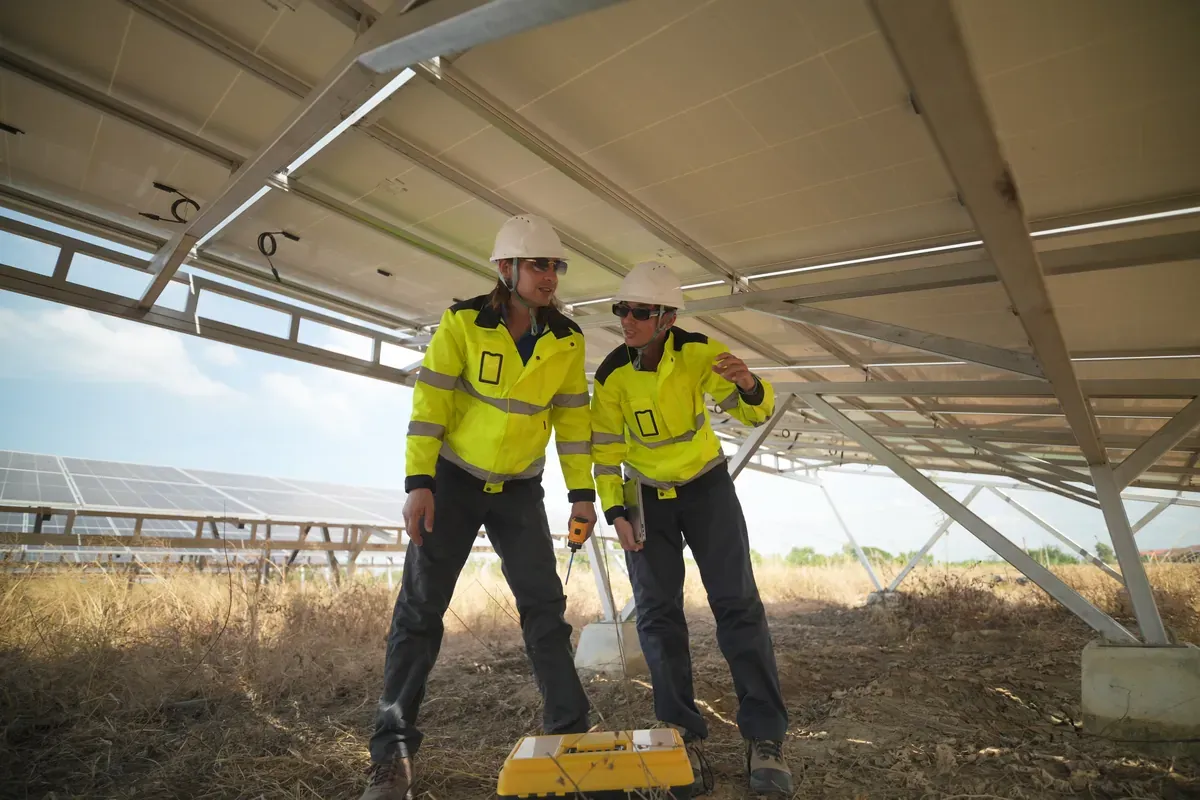
Site civil and geotechnical scope for utility-scale solar, from pile design to load-tested foundations, sourced alongside the equipment it supports.
Pile design, load testing and site civil
Pile design matched to tracker foundations
Driven-pile design ties directly to the tracker system a project is using, since pile embedment, spacing and reveal height are foundation specs a tracker OEM sets, not a generic civil default.
Load-tested foundations before full mobilization
Pile load testing on a representative sample verifies capacity before a project commits to full-site pile driving, catching a soil-condition surprise before it becomes a change order across thousands of piles.
Site civil scope bundled with the rest of construction
Grading, access roads and drainage get sourced and sequenced alongside tracker and BOS delivery, since civil work usually has to finish ahead of racking installation, not in parallel with it.
Early soil checks, sequenced civil work
Catch soil-condition surprises early
Load testing verifies pile capacity on a small sample before full-site driving is underway.
Sequence civil work ahead of racking, not around it
Civil scope gets planned against the construction schedule instead of becoming the bottleneck that delays tracker installation.
EPC Procurement Packages

Bundled equipment packages for 10 MW-plus EPC projects, sourced as one procurement package rather than assembled category by category.
Major equipment bundled into one package
Modules, trackers, inverters and BESS as one package
Bundled sourcing covers the major equipment categories on a 10 MW-plus project under a single procurement package, reducing the number of separate supplier relationships an EPC has to manage and reconcile.
Volume pricing across the bundle
Package-level pricing reflects the combined order volume across categories, which typically beats sourcing each category separately at its own volume tier.
One purchase order, one delivery schedule
A bundled package consolidates into a single purchase order and coordinated delivery schedule instead of separate contracts and separate freight coordination per category.
One relationship, package-level pricing
Manage one procurement relationship instead of five
Bundled sourcing consolidates supplier management across major equipment categories under a single point of contact. That's one contract to negotiate and one relationship to manage instead of five separate vendor threads.
Capture volume pricing across the whole package
Combined order volume improves pricing versus sourcing each category at its own smaller volume.
HV Substation Prep
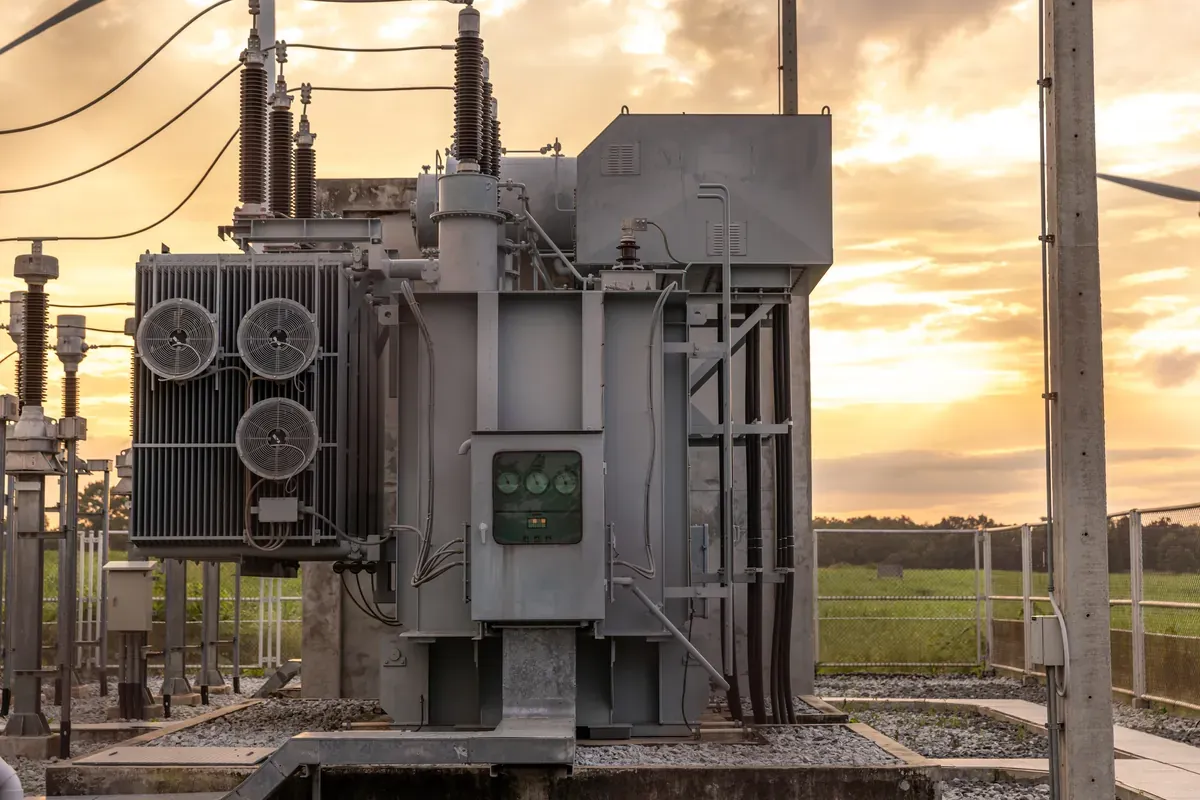
Switchgear, transformers and SCADA components for utility interconnection, sourced against real manufacturer lead times.
Transformers, switchgear and SCADA for interconnection
Transformers with real lead-time visibility
Power transformer lead times have run six months or longer industry-wide, and sourcing here surfaces actual manufacturer lead time up front, since a late transformer order can single-handedly push back a project's interconnection date.
Switchgear and protection matched to the interconnection study
MV and HV switchgear specs get sourced against the specific requirements an interconnection study defines, not a generic substation package.
SCADA and monitoring for utility handoff
Supervisory control and data acquisition components get sourced to the protocol and reporting standard the interconnecting utility requires for handoff and ongoing monitoring.
Order ahead of interconnection deadlines
Order the transformer before it becomes the bottleneck
Lead-time visibility means substation equipment gets ordered on a schedule that matches the project's interconnection date.
Match switchgear to the interconnection study exactly
Specs get sourced against the actual study requirements instead of a generic substation configuration.
BESS Containers
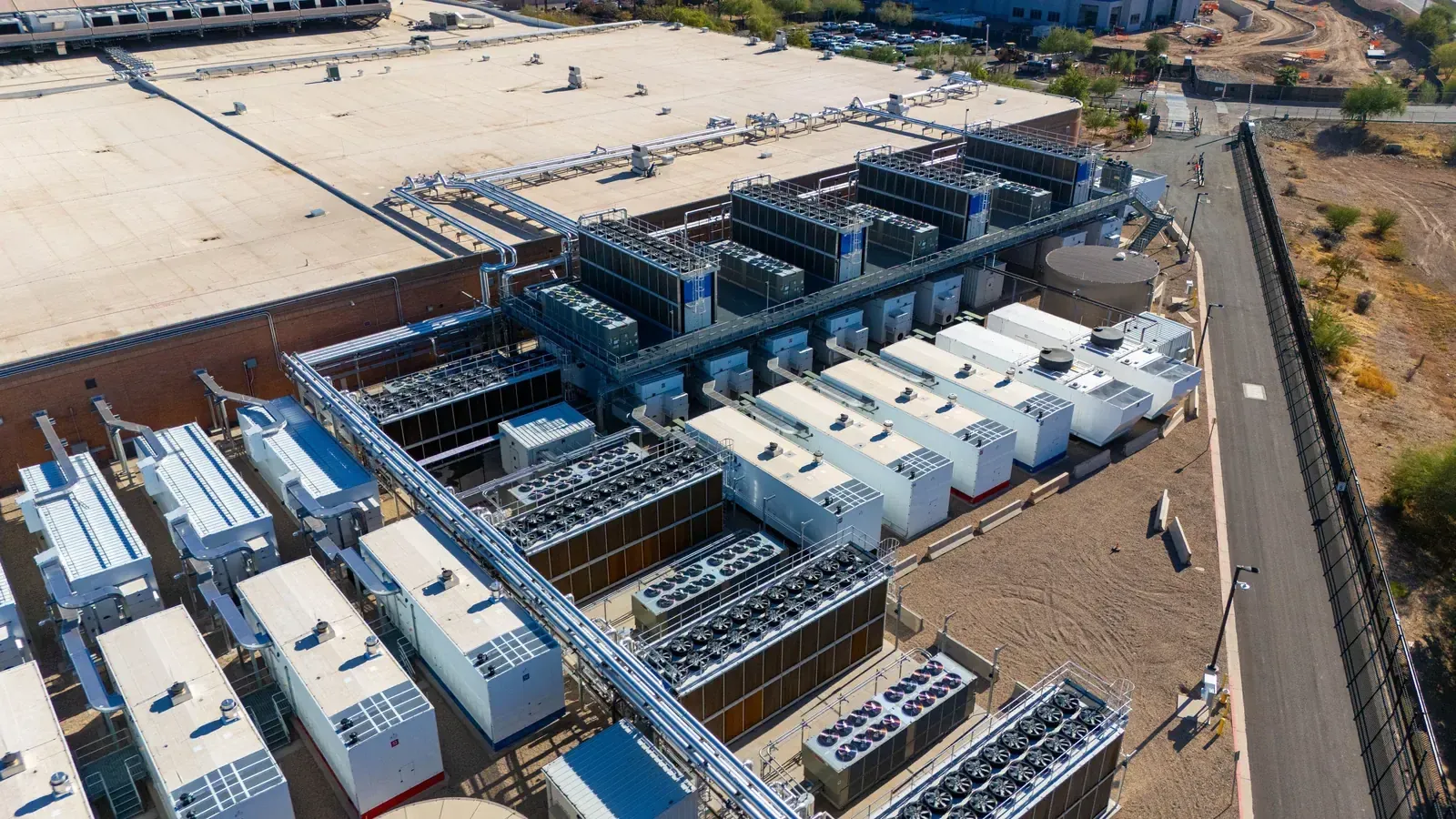
Containerized battery energy storage systems for utility-scale projects, sourced by chemistry, duration and EMS integration.
Containerized storage by chemistry and duration
Containerized systems by duration
MW-scale battery enclosures sourced by discharge duration, typically two to eight hours, matched to the market the project is designed to serve, whether that's energy arbitrage, capacity or ancillary services.
LFP as the standard chemistry
Lithium iron phosphate dominates new utility BESS listings on cycle life and thermal stability, with sourcing built around that chemistry and integrated energy management systems.
Domestic content and FEOC screening
Battery storage has its own domestic-content cost-ratio thresholds and FEOC material-assistance rules distinct from solar modules, and sourcing here screens against those separately rather than assuming a solar-side compliance status carries over.
Duration and compliance matched to storage
Match duration to the actual revenue model
Container duration gets selected against the market the storage is designed to serve, not a default configuration.
Screen BESS compliance on its own terms
Domestic content and FEOC status get checked specifically for storage equipment, not assumed from the module supply chain.
Long-lead Logistics

Multi-month freight orchestration for remote utility-scale sites, sequenced to construction schedule rather than delivered all at once.
Freight sequenced to the construction schedule
Sequenced delivery, not one large shipment
Container and truckload delivery gets sequenced against the construction schedule, module deliveries timed to racking completion, BOS to electrical rough-in, rather than staging an entire project's equipment on site at once with nowhere to store it.
Remote-site access planning
Utility-scale sites are often off primary freight corridors, and logistics here plans for the access roads, staging areas and equipment a remote site actually requires.
Multi-month visibility across the whole order
Tracking spans the full delivery schedule across every equipment category, not a single shipment's status, since a GW-scale project can have freight in transit for months at a time.
Less storage cost, full schedule visibility
Stop paying to store equipment with nowhere to go
Delivery sequencing matches construction pace instead of front-loading a site with material before it's needed.
See the whole schedule, not one shipment at a time
Multi-month visibility spans every equipment category on order, not just the most recent shipment.
Bring the MW-scale BoM. We'll normalize the bids.

Run modules, inverters, trackers and HV BoS across vetted vendors, normalize to delivered $/Wdc, and lock pricing to COD before the interconnection window closes.
Delivery planning for your project

Port drayage, cross-dock and last-mile lanes tuned to how utility mobilizations actually stage material.
Guides for your next decision


Your questions, answered.
How does utility-scale equipment sourcing differ from commercial-scale?
Utility-scale sourcing works in larger volumes and longer lead times, adds trackers and high-voltage balance of system, and revolves around commercial operation date and tax-equity deadlines rather than a single install schedule. Allocation, shipping terms, and domestic content structuring matter far more than at commercial scale. Sunhub structures utility procurement around those deadlines and coordinates tracker, module, and HV BOS sourcing together.
Why does domestic content status matter for utility-scale projects?
Domestic content can qualify a project for a bonus adder on top of the base investment or production tax credit, which materially changes utility-scale economics. Meeting the threshold depends on where modules, steel, and other components are manufactured and how costs are calculated. Because the rules are detailed and evolving, Sunhub helps structure the bill of materials so a domestic content claim holds up, and projects should confirm eligibility with their tax advisor.
Can equipment be procured in bundled packages for a single EPC contract?
Yes. Trackers, modules, and HV balance of system can be sourced together as a coordinated package aligned to one EPC scope and delivery schedule. Bundling simplifies allocation, keeps components compatible, and lets the project manage delivered dollar-per-watt across the full bill of materials rather than line by line. Sunhub structures these packages against the project's COD and tax-equity timeline.
Why do most utility-scale projects use single-axis trackers instead of fixed-tilt racking?
Single-axis trackers follow the sun through the day, raising annual energy yield over fixed-tilt by a meaningful margin in most high-irradiance regions. That production gain typically outweighs the added equipment and maintenance cost at utility scale, improving the project's levelized cost of energy. Fixed-tilt still wins on some sites with difficult terrain, high wind, or tight budgets, so the choice is a project-by-project economic call.
How much does tracker choice affect delivered dollar-per-watt on a utility project?
Enough to matter at scale, since trackers are one of the larger balance-of-system line items and OEM pricing, lead time, and domestic content status vary widely. On a multi-megawatt project even a small per-watt delta compounds into real dollars, and the delivered number depends on freight and foundation interaction, not just the sticker price. Sunhub benchmarks tracker pricing across major OEMs rather than against a single quote.
More questions about these services
Does tracker foundation design depend on the specific OEM?
Yes. Each tracker system specifies its own pile embedment, spacing, and pier loads, and those requirements interact with the site's soil conditions and geotechnical results. Switching OEMs late can force a foundation redesign, which is why aligning tracker selection and foundation engineering early avoids rework. We help get those two decisions coordinated from the start rather than sequentially.
Why does civil and geotechnical work get sourced alongside tracker equipment?
Foundation and pile design depend directly on the tracker system and the soil it sits in, so sourcing them together keeps the civil scope matched to the equipment it supports. Splitting them risks mismatched pile specs, resequenced work, and rework. Bundling civil into the same procurement keeps the foundation, racking, and mounting decisions consistent.
What does pile load testing verify before construction?
Load testing confirms that piles can carry the design loads the trackers impose, typically checking lateral, axial, and uplift capacity against the geotechnical assumptions. It validates embedment depth and soil behavior before you mobilize the full crew and commit to a pile schedule. Catching a shortfall at the test stage is far cheaper than discovering it mid-installation.
How does site civil scope interact with tracker foundation design?
Tracker foundation design sets the pile size, spacing, and embedment, and site civil work has to deliver grading and soil conditions that support those piles. Geotechnical findings can push the foundation design toward deeper piles or different footings, so the two are worked out together. Sequencing civil ahead of racking keeps the foundation ready before mounting begins.
What's included in a bundled EPC procurement package?
A bundled package pulls the major equipment categories for a utility-scale build into one procurement scope, typically modules, trackers or fixed-tilt racking, inverters, and battery storage where the project calls for it. Balance-of-system items can be included depending on the job. The point is to source them together, under one schedule and pricing negotiation, rather than assembling each category through a separate supplier.
Does bundling equipment reduce the number of supplier relationships an EPC manages?
Yes. Instead of running parallel relationships for modules, trackers, inverters, and storage, an EPC manages one procurement package and one point of contact. That consolidates quoting, ordering, and delivery coordination, which cuts administrative overhead on large projects. The tradeoff is worth weighing against sourcing each category independently, but for 10 MW-plus builds the single relationship usually simplifies the work.
Can a package be priced under one purchase order?
Yes. A bundled package can be structured under a single purchase order with one delivery schedule, rather than separate POs per category. Consolidating the buy also opens volume pricing across the whole bundle instead of category by category. Final terms depend on the specific equipment mix and quantities in the package.
Why do transformer lead times drive utility-scale project schedules?
Main power transformers are long-lead, made-to-order items, and lead times have stretched considerably in recent years, often running well beyond a year. Because interconnection cannot happen without them, the transformer order frequently becomes the critical path for the whole project. Sunhub sources against real manufacturer lead times so the transformer is ordered before it turns into the bottleneck.
What HV substation equipment does a utility-scale interconnection require?
A utility interconnection typically requires a step-up power transformer, high-voltage switchgear and circuit breakers, protective relaying, disconnect switches, metering, and SCADA and monitoring for the utility handoff. The exact ratings and protection scheme come out of the interconnection study rather than a standard list. Sunhub matches switchgear and protection to that study so the equipment reflects what the utility actually approved.
Does substation equipment get sourced separately from tracker and module procurement?
It often does, because substation components have different suppliers, longer lead times, and tighter engineering requirements than trackers and modules. Treating them as one lumped order tends to hide the transformer's schedule risk. Sunhub sources the substation package against its own lead times while keeping it coordinated with module and tracker procurement so nothing falls out of sequence.
What container sizes are standard for utility-scale BESS?
Utility-scale battery containers are commonly built on standard 20-foot form factors, with energy capacity per unit varying widely as cell density has increased over recent product generations. Projects are usually specified by total MWh and MW rather than a fixed container count, then filled with whatever current-generation units hit that target. Sourcing by chemistry, duration, and EMS integration matters more than the container dimension itself.
Does utility BESS qualify for the domestic content bonus separately from solar?
Standalone storage can qualify for the domestic content bonus on its own terms, evaluated against the cost breakdown of the storage system rather than any co-located solar. The manufactured-product and steel/iron thresholds are assessed for that facility, so a BESS project is screened independently. Because the rules and safe-harbor tables evolve, confirm current requirements with tax counsel before relying on the bonus in a model.
How is BESS duration selected for a given project?
Duration is driven by the revenue model, not a default. A resource meant for frequency response or short peak shaving may only need one to two hours, while capacity, arbitrage, or resource-adequacy roles often call for four hours or more. Match the MWh-to-MW ratio to the dispatch pattern the project actually gets paid for, then size chemistry and thermal management around that duty cycle.
Why does utility-scale freight need multi-month sequencing instead of a single delivery?
Utility-scale orders involve far more equipment than a site can receive or stage at once, and material sitting idle ties up capital and storage. Sequencing deliveries over several months aligns arrivals with the construction schedule, so components show up as crews are ready to install them rather than all at once.
How does long-lead logistics coordinate with construction schedule?
Deliveries are sequenced to the construction timeline, so racking, modules, inverters, and balance-of-system components arrive in the order crews install them. Sunhub maintains multi-month visibility across the whole order, which lets shipment timing adjust as the build schedule shifts instead of forcing storage of equipment with nowhere to go.
Does remote-site delivery require different equipment than standard freight?
Often yes. Remote utility sites may lack a dock, paved access, or unloading equipment, so deliveries can require flatbeds, liftgates, or specialized handling that standard freight does not include. Access planning ahead of the first shipment avoids trucks that cannot reach or unload at the site.
Put Sunhub to work on your next utility build
Vetted suppliers, delivered $/Wdc pricing and the logistics to stage container volume on site.