 ®
Sunhub for your business
Agrivoltaics
Dual-use solar equipment for sites that share land with grazing, row crops or pollinator habitat, from elevated racking to the grant paperwork that often funds it.
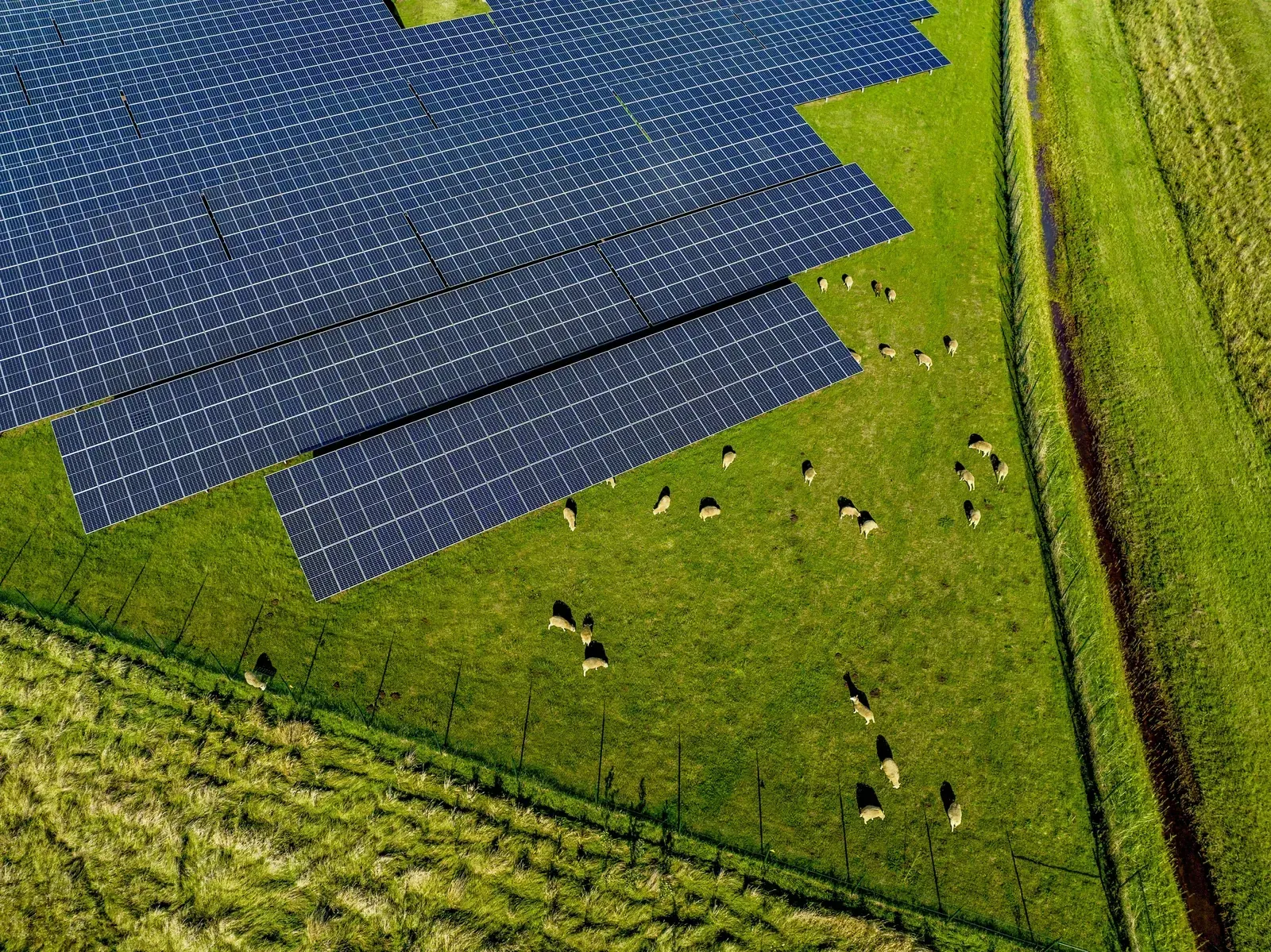
Agrivoltaics
PV systems engineered to coexist with working farms.
Wide-span racking, elevated trackers and irrigation-friendly hardware priced landed for PV systems that share the land with working crops.
What this means for your business
Qualify for USDA grants
Preserve productive acreage
What changes on an agrivoltaic build
Spec racking for the actual site use
Clearance and spacing get matched to grazing or crop equipment before a structural redesign is needed mid-project.
Move faster on grant-funded work
Equipment documentation lines up with what REAP and state grant applications require, instead of assembling it after the fact.
Pump & Irrigation Power
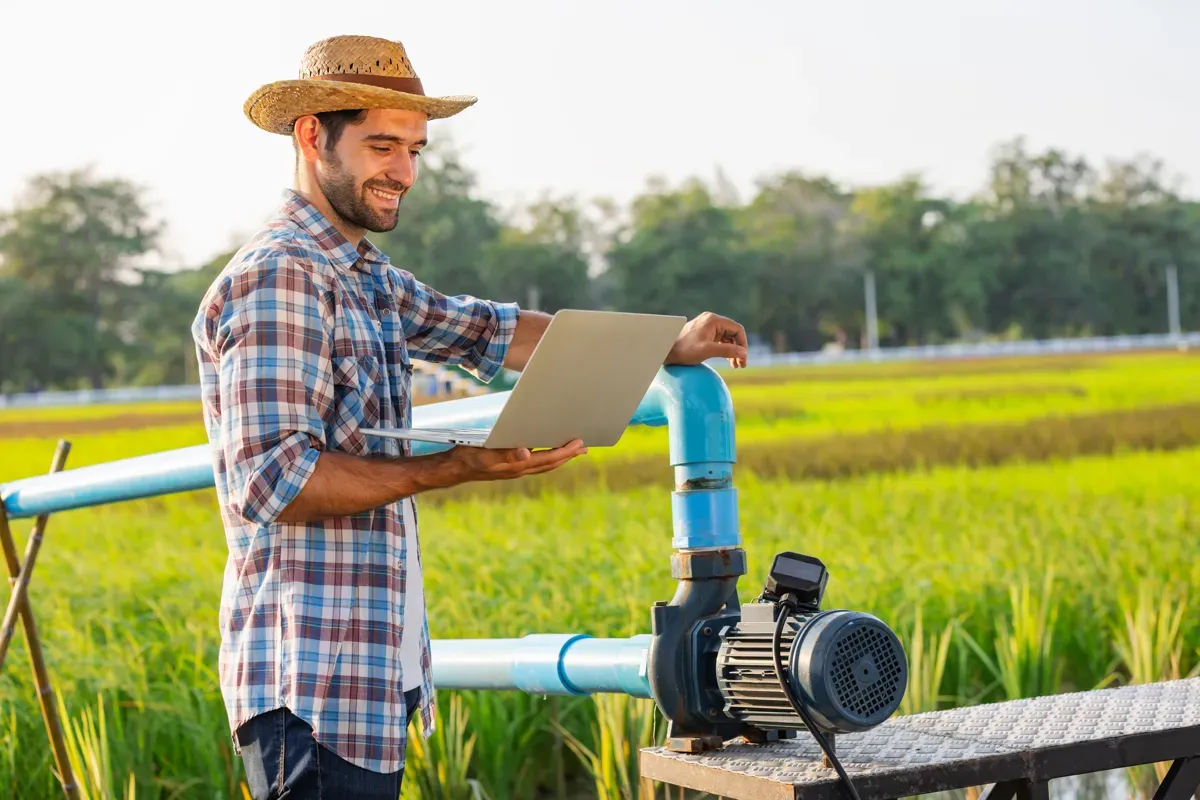
Solar-powered pumping and irrigation equipment, sized against real pump curves and duty cycles, not a rough acreage estimate.
Solar pumping sized to the pump curve
Sized to the pump curve, not the acreage
Panel and controller sizing here starts from the pump's actual flow and head requirements rather than a flat per-acre estimate, which is what keeps a system from underperforming on the exact days water is needed most.
Off-grid or grid-tied, sourced accordingly
Standalone off-grid systems need a charge controller and often a small battery buffer, while grid-tied irrigation pairs differently with a farm's existing service. Both paths are covered separately here.
Controllers built for pump duty cycles
Pump controllers are compared on how they handle a motor's starting current and duty cycle, not just their rated output.
What changes for irrigation sizing
Right-size for peak irrigation demand
Sizing accounts for the highest-demand days of the season, not an average that leaves a system short when it matters.
Avoid controller mismatches
Pump and controller compatibility gets checked before installation instead of after a motor trips the system offline.
Elevated Racking
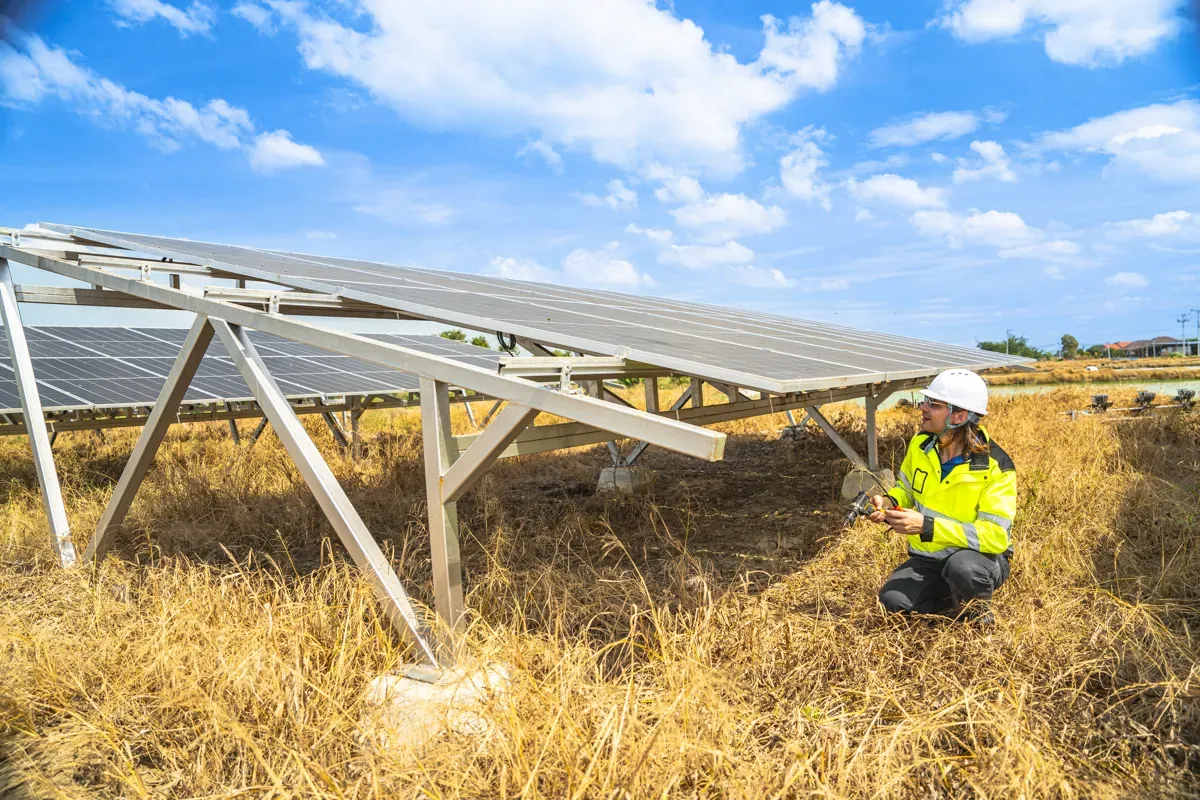
Elevated and wide-span racking systems built for dual-use land, sourced by clearance height and row spacing, not standard ground-mount specs.
Elevated racking sourced by clearance
Elevated racking by clearance requirement
Racking here is sourced by the actual clearance a site needs, whether that's enough height for tractor equipment to pass under or the wider row spacing crop operations require.
Vertical bifacial as an alternative layout
Vertical bifacial racking, which captures light from both sides of the module in narrow rows, is an increasingly common alternative for sites that want to keep more ground in continuous crop production.
Structural loads for wind and site conditions
Elevated structures carry different wind loading than low ground-mount racking, and structural ratings here account for that difference rather than reusing a standard ground-mount spec.
What changes on dual-use racking
Match racking height to the actual equipment
Clearance gets specified against real farm equipment dimensions before a rack goes up too low to use.
Consider vertical bifacial where crop continuity matters
Sites that need more continuous crop rows get a real alternative to elevated horizontal racking.
Bring the farm BoM. We'll price it landed.
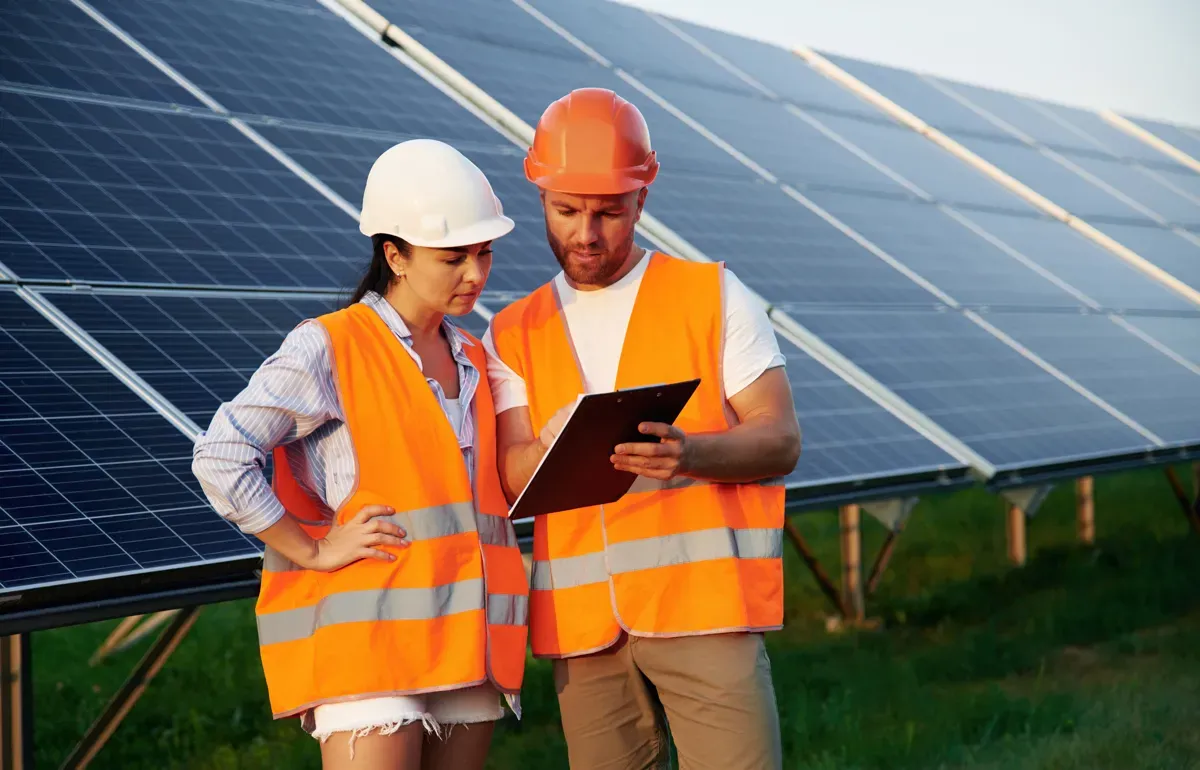
Compare wide-span racking, elevated trackers and irrigation-compatible BoS across vetted vendors, normalize to delivered $/W and lock hardware before planting.
Delivery planning for your project
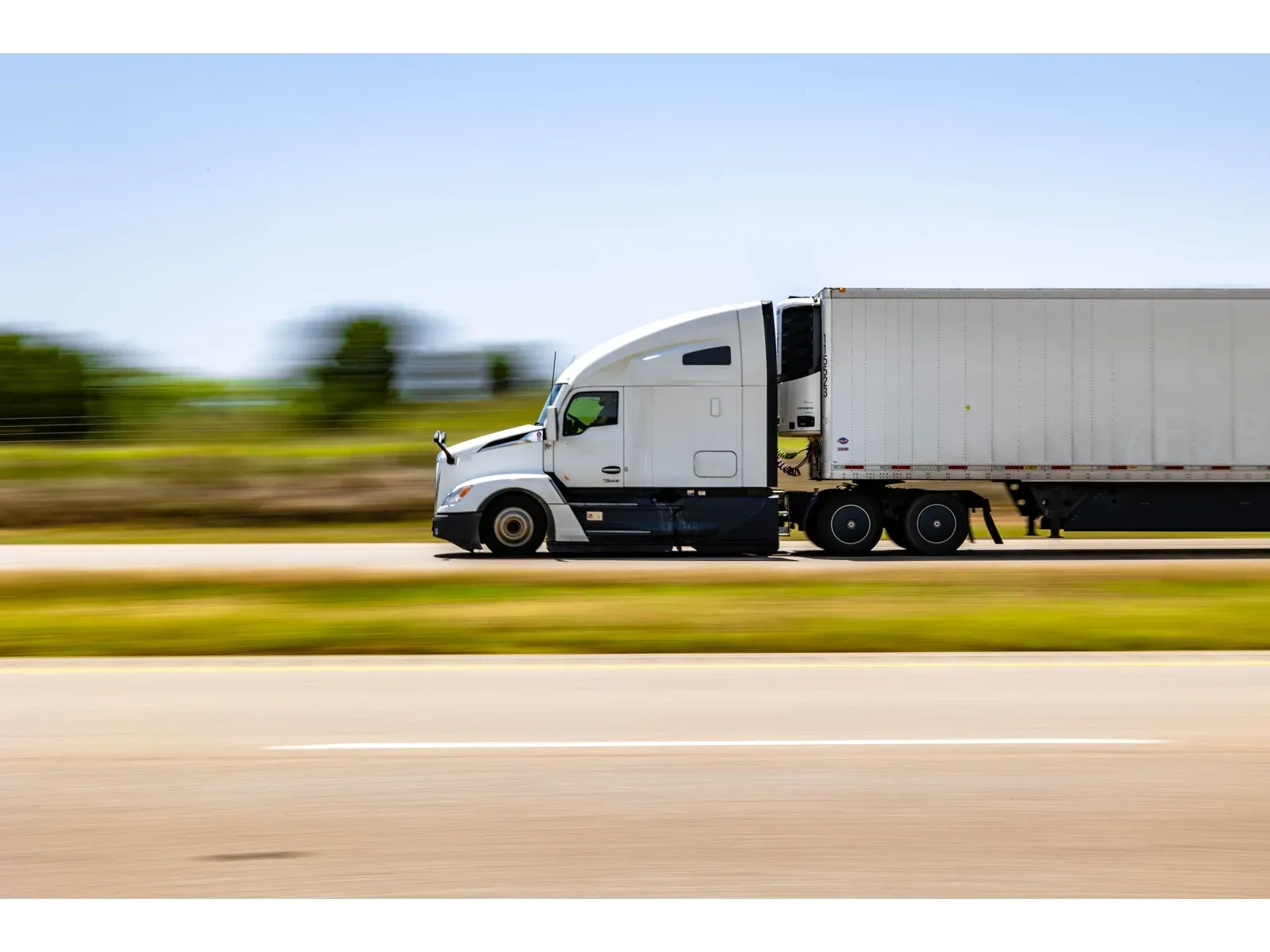
Freight lanes and last-mile partners tuned to rural sites and the equipment access windows a working farm actually has.
Guides for your next decision
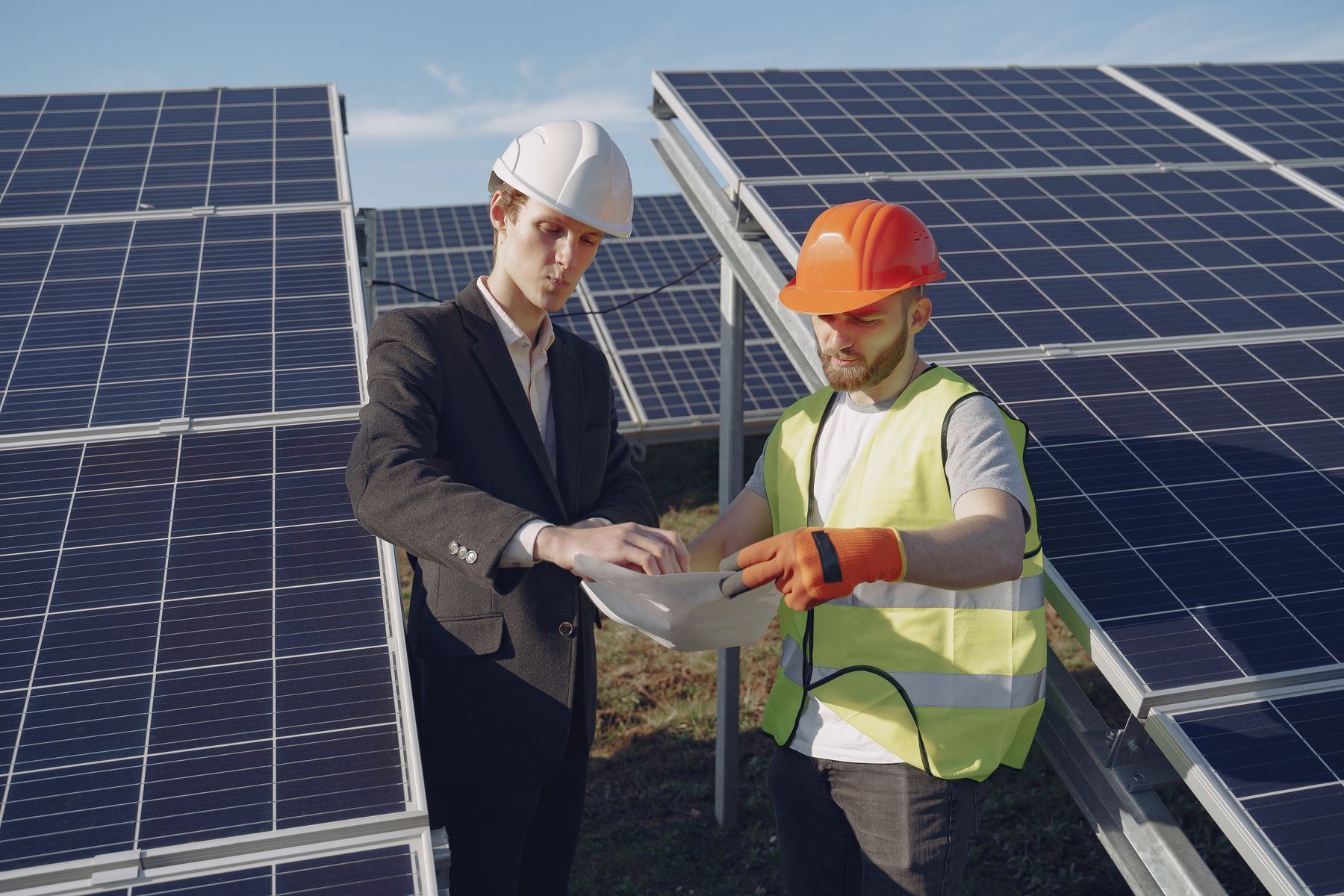
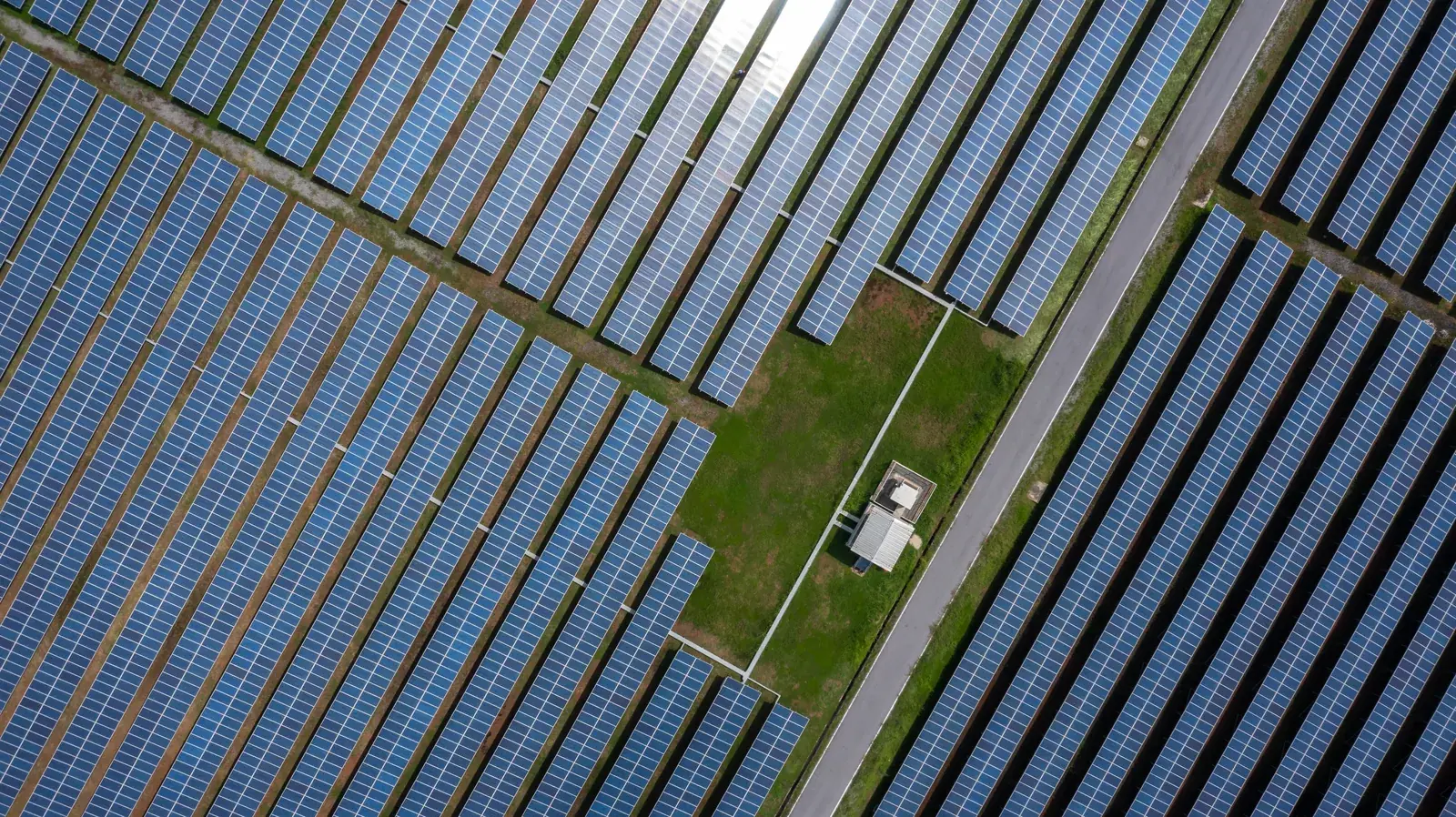
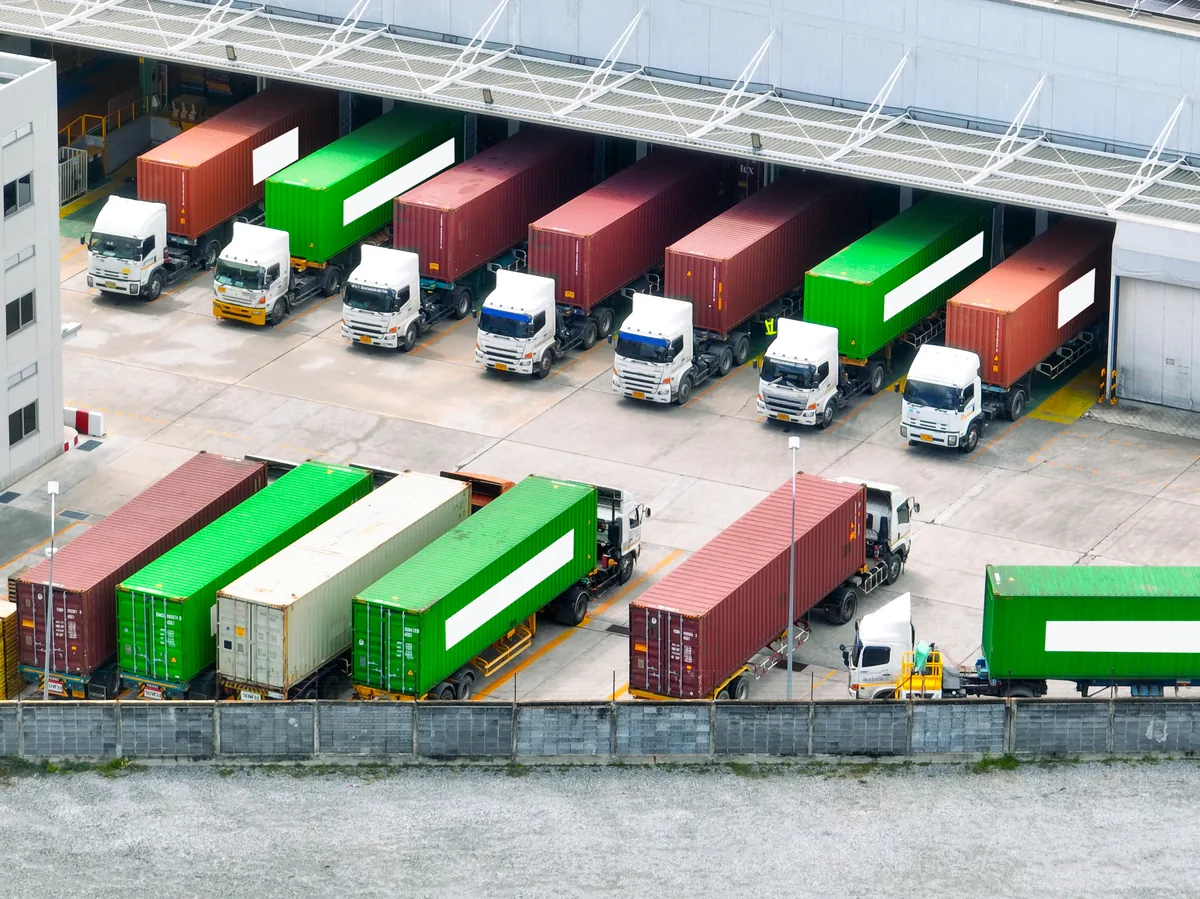
Your questions, answered.
What equipment is different about an agrivoltaic project?
The core difference is racking. Agrivoltaic sites use elevated or wide-span structures that raise modules and widen row spacing so crops, grazing animals, or pollinator habitat can share the ground beneath and between arrays. Panels, inverters, and wiring are largely standard, but the mounting system, foundations, and sometimes bifacial modules are specified around the farming use. Sunhub sources this racking against the actual site activity rather than a generic ground-mount default.
Does agrivoltaic racking need more ground clearance than standard ground-mount?
Usually yes. Standard ground-mount sits low to minimize steel, while agrivoltaic racking is raised to leave working room underneath, with the exact clearance driven by the use, roughly grazing height for sheep versus taller for tractors and row crops. Row and post spacing also widen to admit light and equipment. The right height depends on the crop, machinery, and the AHJ, so it should be spec'd to the specific operation.
Can Sunhub sourcing help document a REAP grant application?
Sunhub can supply the equipment-side documentation these applications usually need, such as itemized quotes, specifications, and supplier details for the proposed system. Sunhub does not write or submit the grant itself, and REAP eligibility and paperwork are ultimately determined by the USDA and your grant preparer. Having verified quotes and spec sheets ready in one place tends to make assembling that portion of the application faster.
How is a solar irrigation system sized versus a grid-tied pump?
A solar irrigation system is sized against the pump's actual head, flow, and daily duty cycle, not a rough acreage estimate, so the array and controller can meet peak demand during the hours the pump needs to run. A grid-tied pump draws steady utility power on demand, while a solar system must generate enough energy within the irradiance window to move the required water volume. Matching the array to the pump curve avoids undersizing that leaves fields short during peak season.
Can a solar pumping system run off-grid entirely?
Yes, many solar pumping systems run fully off-grid, driving the pump directly from the array through a dedicated controller during daylight, often into a storage tank rather than a battery. Whether off-grid works depends on the pump's duty cycle and how much buffering the water storage provides. Sunhub sources both off-grid and grid-tied configurations based on which the site actually calls for.
More questions about these services
What controller hardware pairs with solar irrigation pumps?
Solar irrigation pumps typically pair with a pump-specific controller or variable frequency drive built for the pump's duty cycle, with MPPT input to track the array and protections for dry-running and over- and under-voltage. The controller must match the pump's motor type and power rating, since a mismatch is a common cause of nuisance faults and premature wear. Sunhub sizes the controller to the pump rather than shipping a generic unit.
How much clearance does agrivoltaic racking typically need?
Clearance is set by the equipment and activity underneath, not a fixed number. Grazing and small implements may work with a few feet of clearance, while planting, harvesting, and larger machinery often push required clearance well higher, sometimes past eight to fourteen feet. Source elevated racking by the actual under-panel activity and equipment envelope rather than to a standard ground-mount height.
What is vertical bifacial racking and when does it make sense?
Vertical bifacial mounts double-sided modules upright in rows, so panels stand vertical rather than tilted. Because the array leaves the ground mostly open between rows, it makes sense where crop continuity and machinery access matter more than peak per-module yield. It also shifts generation toward morning and evening, which can complement afternoon-heavy demand.
Does agrivoltaic racking cost more than standard ground-mount?
Generally yes, because elevated and wide-span structures carry more steel, deeper foundations, and higher wind and load engineering than standard ground-mount. The premium is driven by clearance height, row spacing, and site conditions rather than a flat markup. Sourcing by clearance and span, instead of defaulting to ground-mount specs, keeps you from over- or under-building the structure.
Put Sunhub to work on your next agrivoltaic build
Verified dual-use suppliers, wide-span hardware and the logistics to deliver it around a working farm's calendar.