 ®
Structure procurement around the COD, not around vendor availability
Sourcing, freight and escrow all sequence against the project's actual commercial-operation-date requirement.
Sunhub for your business
MW-scale procurement, container forwarding, value engineering and escrow structured around a fixed commercial-operation date.
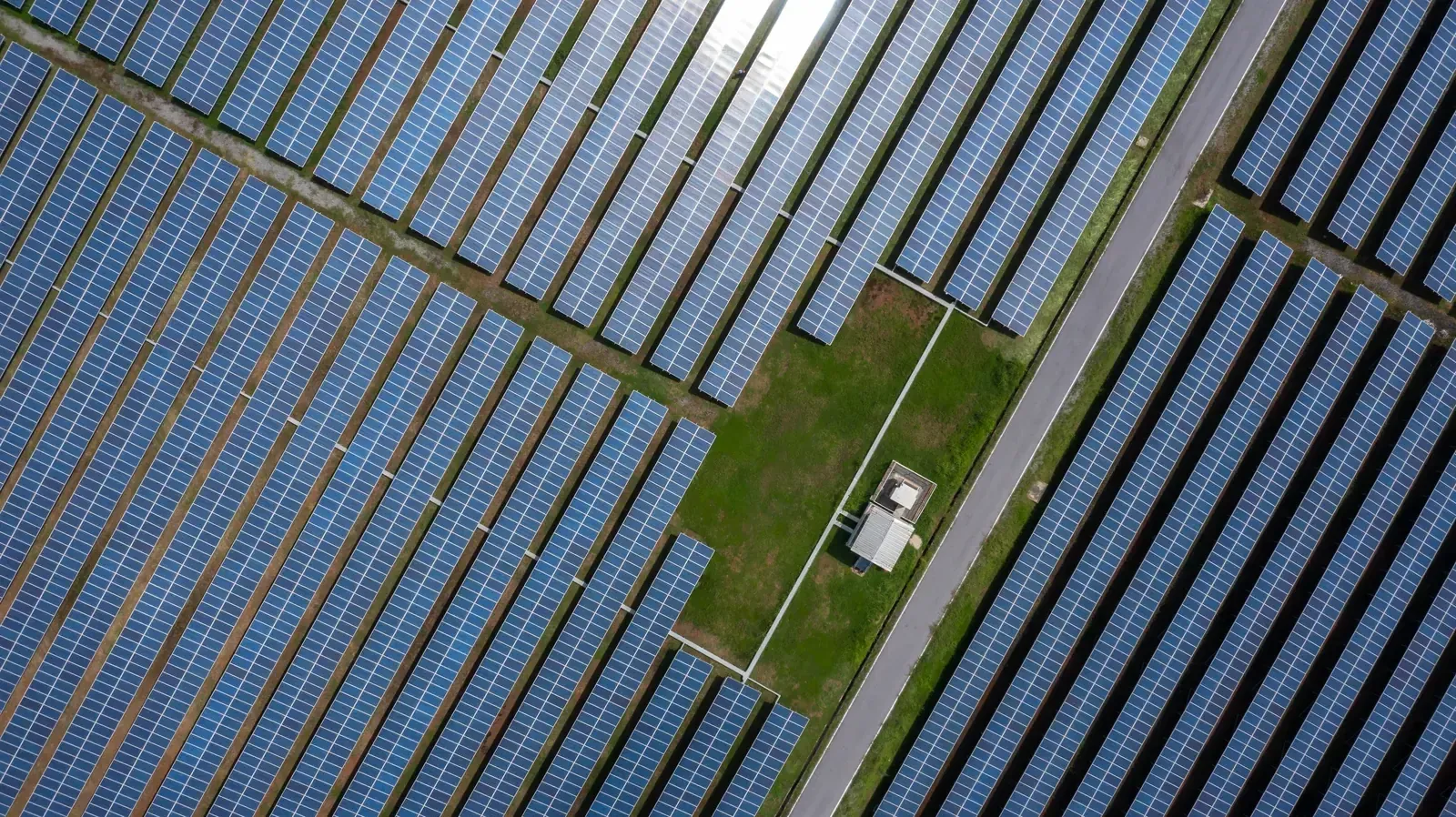
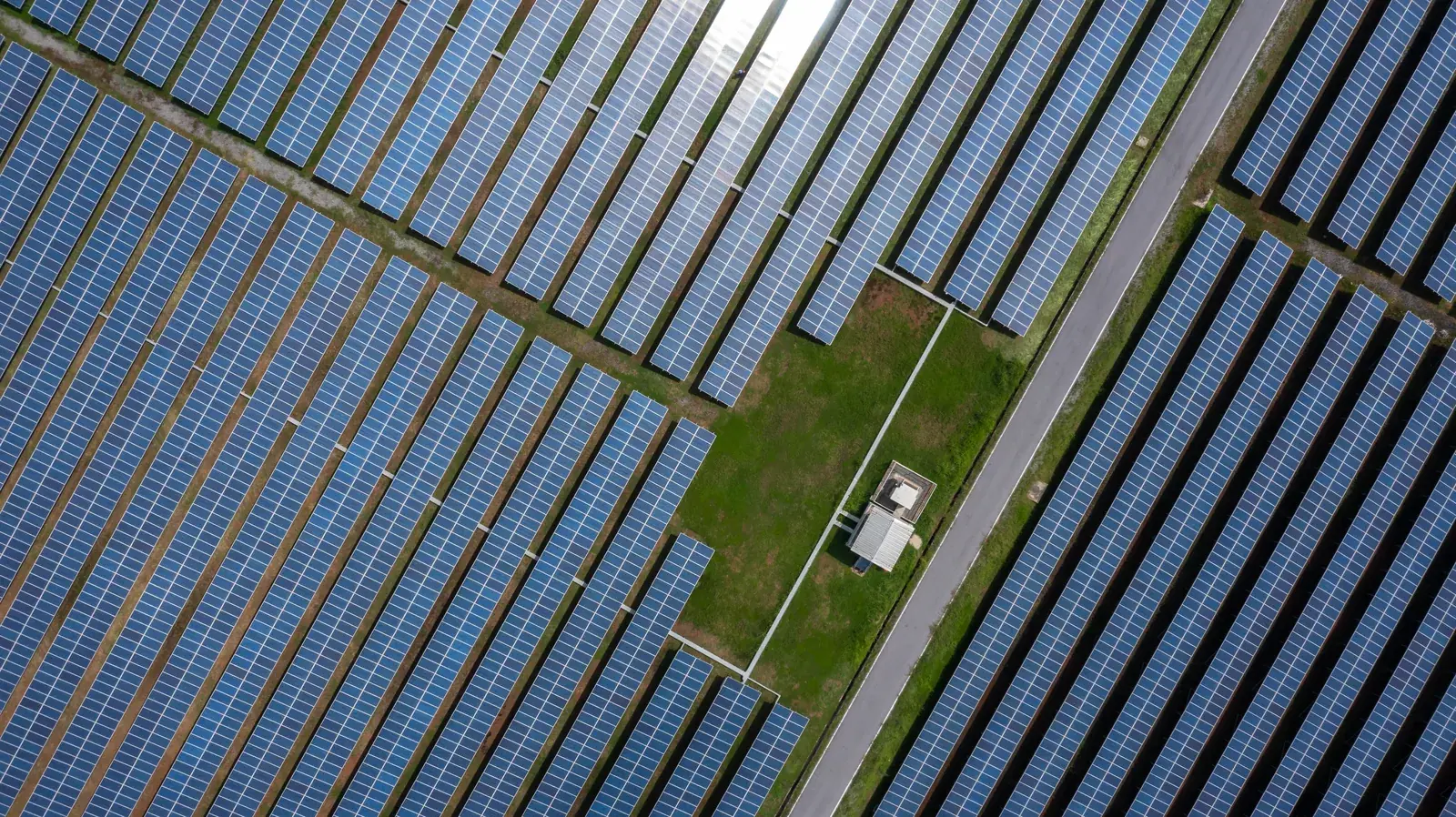
MW-scale procurement, container forwarding, value engineering and escrow.
Sourcing, freight and escrow all sequence against the project's actual commercial-operation-date requirement.
Value-engineered alternates get vetted against bankability standards before they reach a project's equipment list.
Container forwarding tracks volume and sequencing appropriate to a utility-scale mobilization, not individual pallet shipments.
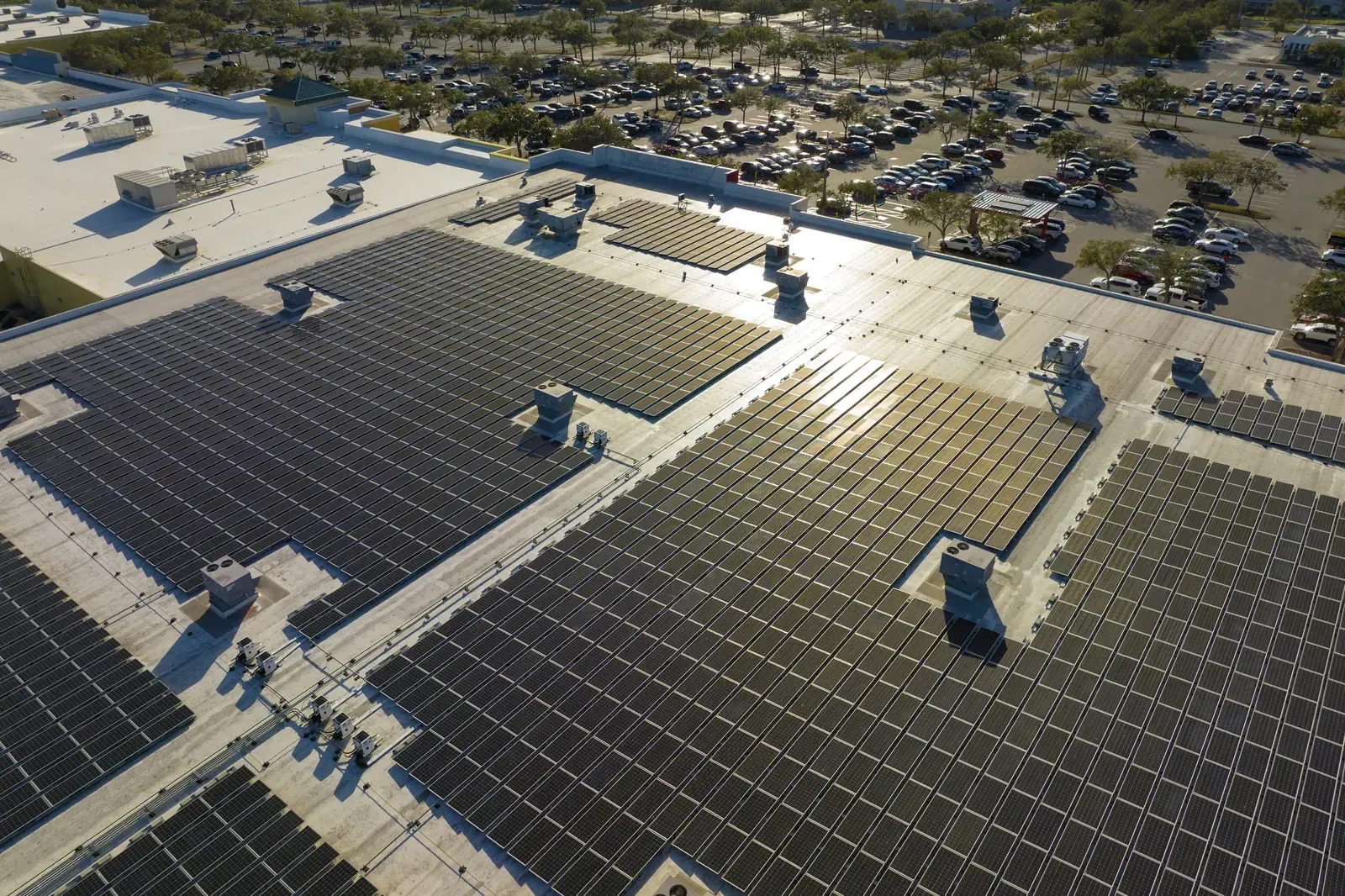
MW-scale solar procurement priced at delivered dollar-per-watt-DC, benchmarked against current market across trackers, modules and BOS.
Procurement pricing reflects the full delivered cost per watt DC, freight and duties included, so a bid built on this number matches what actually lands on an invoice.
Pricing benchmarks against current market data across trackers, modules and BOS, since utility-scale equipment pricing has moved meaningfully with recent tariff and domestic-content policy changes.
Modules, trackers and BOS can procure under one coordinated agreement instead of separate negotiations per category, simplifying both pricing and delivery sequencing.
Pricing includes freight and duties from the start, so a project bid doesn't get undercut by a landed-cost surprise later.
Benchmarking reflects current tariff and policy conditions, not assumptions from a prior procurement cycle.

Container forwarding from factory floor to laydown yard, coordinated for the volumes a utility-scale mobilization actually generates.
Container tracking and coordination cover the full journey from origin factory through port, drayage and final laydown yard delivery, not a single leg of the trip.
Container arrival schedules align with a project's actual construction sequence, so equipment lands when a crew is ready for it rather than staging months of material with nowhere to store it.
Multiple containers across suppliers and origins get managed as a single coordinated schedule instead of dozens of individually tracked shipments.
Container delivery sequences against the build schedule instead of arriving in an unplanned wave.
Multiple containers and origins consolidate into one coordinated tracking view.

Material staging sequenced against a MW-scale build's construction phases, so equipment shows up as each phase needs it.
Equipment arrives as each construction phase actually needs it, avoiding the cost and site congestion of staging an entire project's material before there's anywhere to put it.
Battery storage often installs on a different schedule than the solar array itself, and staging accounts for that separate sequencing rather than treating storage as an afterthought to module delivery.
Staging plans adjust when a construction schedule moves, rather than locking a delivery date that no longer matches the site's actual readiness.
Material arrives phase by phase instead of all at once with nowhere to store it.
Storage delivery sequences against its actual installation phase, not bundled with module delivery.

Single-line diagrams built to accelerate permitting and interconnection review, not just satisfy a checklist requirement.
SLDs draft with the level of detail a utility interconnection engineer specifically looks for, cutting the round-trip of clarifying questions that slows a study down.
Diagrams cover the protection, metering and multiple-inverter-block detail a utility-scale project needs, beyond what a commercial-scale single-line typically requires.
Diagrams update quickly when an interconnection study comes back with a technical question, instead of restarting a drafting cycle each time.
Diagrams anticipate what a utility engineer checks for, reducing rounds of clarifying questions.
Fast revision keeps an interconnection study moving instead of stalling on a documentation turnaround.

Spec-equivalent equipment alternates that still clear an independent engineer's review, opening cost savings without compromising bankability.
Substitute equipment gets evaluated against the original spec's actual performance and durability characteristics, not just a similar price point, before it's proposed as a value-engineered option.
Alternates get checked against the criteria an independent engineer typically applies during bankability review, reducing the risk a proposed substitution gets rejected late in financing diligence.
The goal is cost reduction that survives project financing scrutiny, not a cheaper part that saves money upfront and creates a financing problem later.
Alternates are pre-screened against IE standards before they reach a financing conversation.
Substitutions target genuine equivalence, not just a lower price tag.
Tell our team what you need, and explore the Sunhub services that fit your business.