 ®
Add solar scope without a new supplier relationship
Equipment sources through the same net-terms account and marketplace a contractor already knows, not a separate solar-specific vendor onboarding.
Sunhub for your business
Trade contractors adding solar, storage and EV charging to an existing book of business, sourced and financed like the rest of their material orders.

Electrical, roofing, plumbing/HVAC, sheet-metal and heavy-equipment trades.
Equipment sources through the same net-terms account and marketplace a contractor already knows, not a separate solar-specific vendor onboarding.
Verified trade certifications give a contractor new to solar scope a credibility signal bid teams look for.
Roofing warranties, electrical code compliance and HVAC system integration all get treated as first-order concerns, not an afterthought to the solar equipment.

Verified trade credentials that give buyers and bid teams a reason to trust a contractor new to solar scope.
NABCEP and other recognized solar credentials get verified and displayed against a contractor's profile, giving a bid reviewer a checkable signal instead of a claim on a proposal cover sheet.
Existing electrical or general contractor licensing, combined with verified project history, can substitute for a dedicated solar certification on many jobs, and this guide covers where that applies.
Verified certification correlates with how buyers and general contractors actually shortlist solar-adjacent trade bids, which is the practical reason to invest in it beyond compliance.
Verified credentials give a reviewer a reason to shortlist a bid before price is even compared.
Guidance separates what's required by code from what simply helps win business.

PV, storage and EV charging equipment sourced alongside the panels, breakers and conduit an electrical contractor already stocks.
Modules, inverters and balance-of-system components source through the same net-terms account and ordering process an electrical contractor already uses for standard supplies, not a separate solar-only vendor relationship.
Level 2 charger installation is a natural extension of panel and service upgrade work most electrical contractors already perform, and equipment sources alongside the rest of a job's material list.
NEC rapid-shutdown and interconnection labeling requirements are covered in the same equipment guides an electrical contractor already references for standard code work.
Equipment orders through the same account and terms already in place for standard electrical supplies.
NEC requirements for PV and EV scope are built into sourcing guidance, not a separate research project.

Solar-ready roofing scope bundled with re-roof work, protecting the roofing warranty instead of leaving it exposed to a separate solar crew's penetrations.
Flashing and attachment components sourced here are matched to the specific roofing system being installed, which is what keeps a solar penetration from voiding the roofing manufacturer's warranty down the line.
Conduit pathways, reinforced attachment points and flashing get built into a re-roof job when solar is planned for later, avoiding a second roof penetration project down the road.
Roofing scope and solar racking spec get sourced with visibility into each other, cutting the finger-pointing that happens when a roof leak surfaces after a separate solar crew's installation.
Matched flashing and attachment hardware protect the manufacturer warranty instead of creating a gap in it.
Conduit and attachment points get built in now instead of a second roof penetration project later.
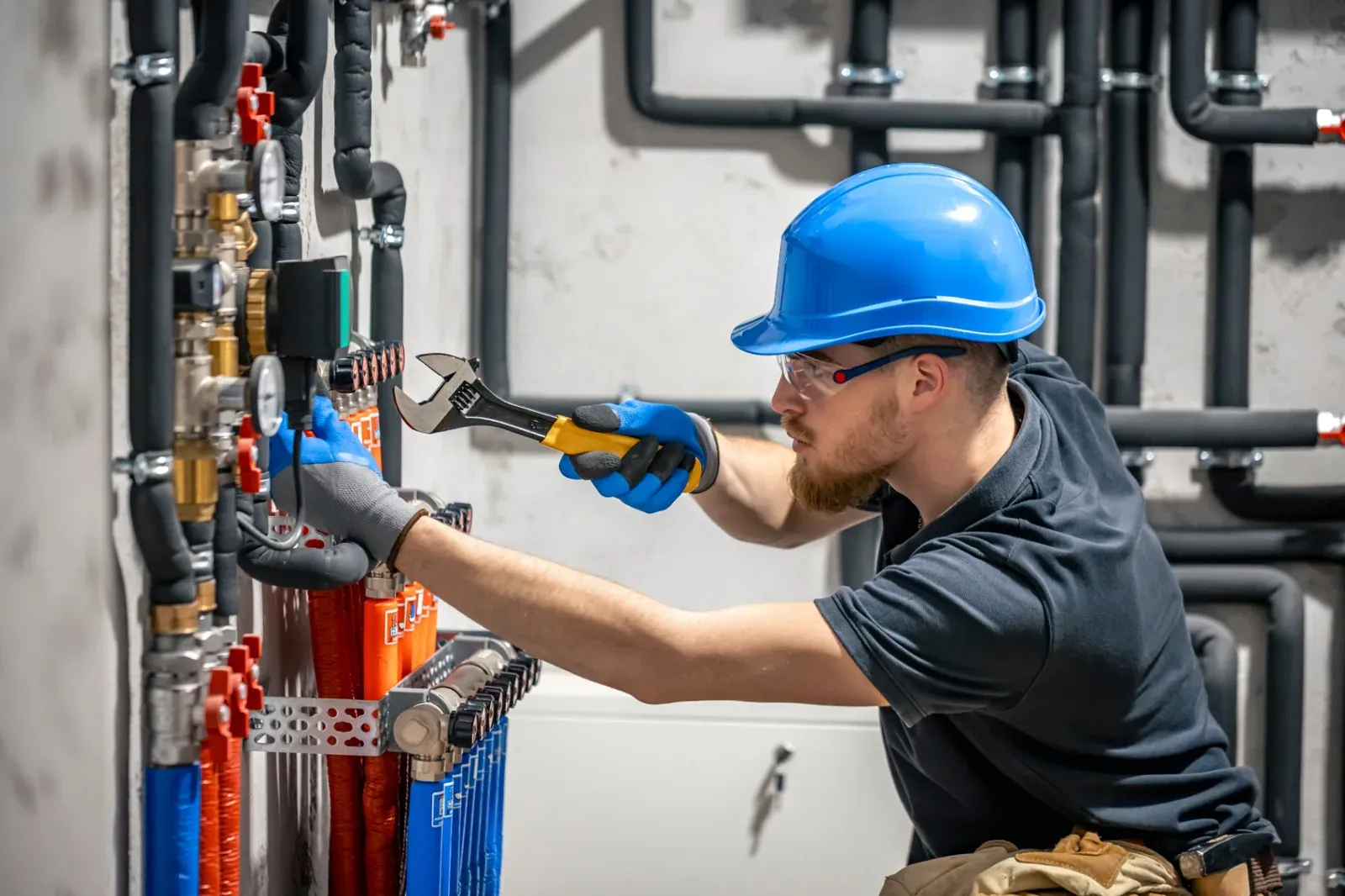
Heat pump and water heater equipment paired with PV and storage systems, positioning an HVAC contractor for the electrification jobs increasingly bundled with solar.
Equipment gets sourced with electrification pairing in mind, since heat pump HVAC and heat pump water heaters increasingly get specified alongside a solar and storage system as one electrification project rather than separate scopes.
Heat pump equipment sizing here factors in the panel capacity and load management already planned for the paired solar and storage system, avoiding a mismatch discovered at electrical permitting.
HVAC contractors already have the customer relationships and trust that make them a natural fit to sell electrification upgrades, and sourcing here supports adding that scope without starting a new business line from zero.
Heat pump and PV-plus-storage sizing get planned together instead of as two separate, uncoordinated projects.
Solar-adjacent electrification work builds on trust an HVAC contractor already has, not a cold-start sales effort.

Heavy equipment listed for utility-scale solar mobilizations, opening a revenue channel beyond an operator's existing customer base.
Cranes, pile-driving rigs, boring equipment and grading machinery get matched to the specific phase of a utility-scale mobilization, from site prep through racking installation.
Listing equipment here reaches EPCs and developers sourcing for a specific project window, opening demand beyond an operator's existing customer relationships.
Equipment gets booked against a project's actual construction sequence, since a crane needed for pile driving has a different window than grading equipment needed ahead of it.
Listings put equipment in front of EPCs actively sourcing for a mobilization window, not just existing customer relationships.
Equipment scheduling aligns with construction phase instead of a generic availability calendar.
Tell our team what you need, and explore the Sunhub services that fit your business.