 ®
Sunhub for your business
Commercial & industrial solar
Flat-roof, carport, microgrid and storage equipment for commercial and industrial sites, sourced against the site's structural and electrical constraints, not a generic system size.

Commercial & industrial solar
Flat roof, ballasted, carports, canopies and micro-grids.
Flat-roof arrays, ballasted racking, carports, canopies and behind-the-meter storage priced landed for the crews building them.
What this means for your business
Lower delivered cost per watt
De-risk roof penetrations
What changes on a C&I project
Match racking to the actual roof
Ballasted, attached and carport racking get specified by roof type and structural capacity before a structural engineer sends back a redline.
Size storage to demand charges, not guesswork
Battery sizing targets the site's actual peak demand profile, which is what determines whether the payback math works.
Add resilience without a separate project
Microgrid controllers and switchgear source alongside the main system instead of a bolt-on project six months later.
Flat Roof & Ballasted

Ballasted and attached racking for flat commercial roofs, selected by membrane type and roof loading, not a default system.
Flat-roof racking by roof condition
Ballasted versus attached, by roof condition
Ballasted racking avoids membrane penetrations and suits most TPO and EPDM roofs, while attached racking makes sense where wind exposure or roof age calls for a mechanically fastened system. Sourcing here compares both by the specific roof, not by habit.
Structural loading checked against the roof
Ballast weight and attachment loads get checked against the roof's actual structural capacity, which is what keeps a racking choice from triggering an unplanned structural reinforcement.
Bifacial-ready racking for reflective roofs
Light-colored TPO membranes reflect enough light to make bifacial modules worth the incremental cost, and racking here can be sourced with the tilt and ground clearance bifacial performance depends on.
What changes on a flat-roof install
Match racking type to the actual roof membrane
Ballasted or attached gets decided by membrane and structural capacity before installation, not after a leak.
Capture bifacial gains where the roof supports it
Reflective roof surfaces get matched to racking that's actually built to take advantage of them.
Carports & Canopies
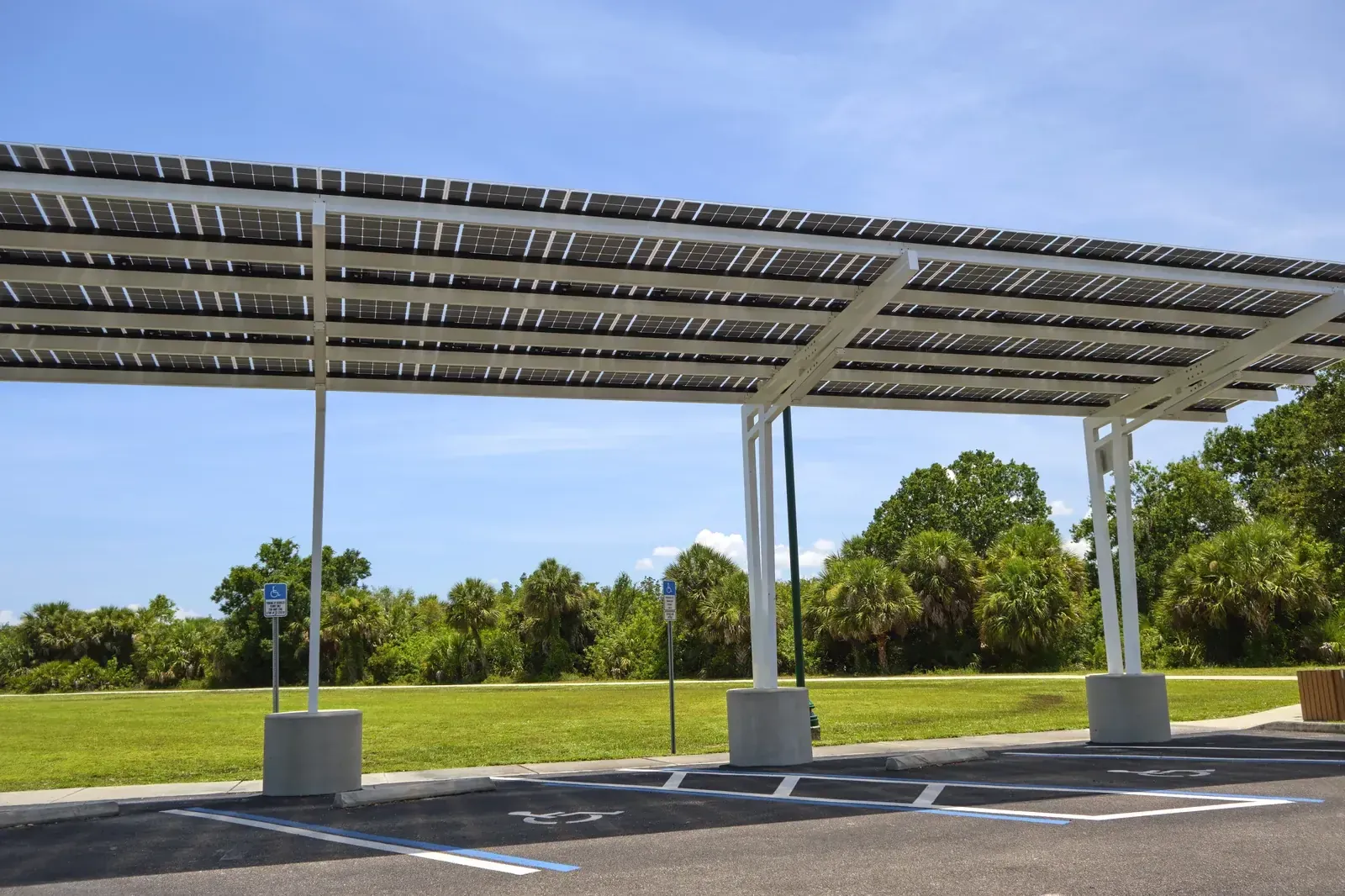
Elevated carport and canopy structures that cover parking and carry EV charging infrastructure, sourced as one structural package.
How solar carports get sourced
Structural steel sized for span and snow load
Carport and canopy columns and beams are sourced by parking-bay span and regional snow load, since an undersized structure shows up as sag or failure long after installation, not during it.
Rapid shutdown exemption for detached structures
Carports and canopies typically qualify as detached structures under NEC 690.12 Exception 2, meaning conductor rapid shutdown to 80 volts isn't required the way it is on an attached rooftop array. That distinction changes the BOS list.
EV charging integration built in
Conduit runs and charger mounting points get planned into the structural design from the start, since retrofitting charging onto a finished carport means cutting into concrete and steel that's already in place.
What changes on a carport build
Right-size the structure for local snow and wind load
Span and column sizing account for regional load requirements before a structural stamp gets rejected.
Skip unnecessary rapid shutdown hardware
The NEC 690.12 detached-structure exemption gets applied correctly, avoiding BOS components a carport doesn't need.
Micro-grids
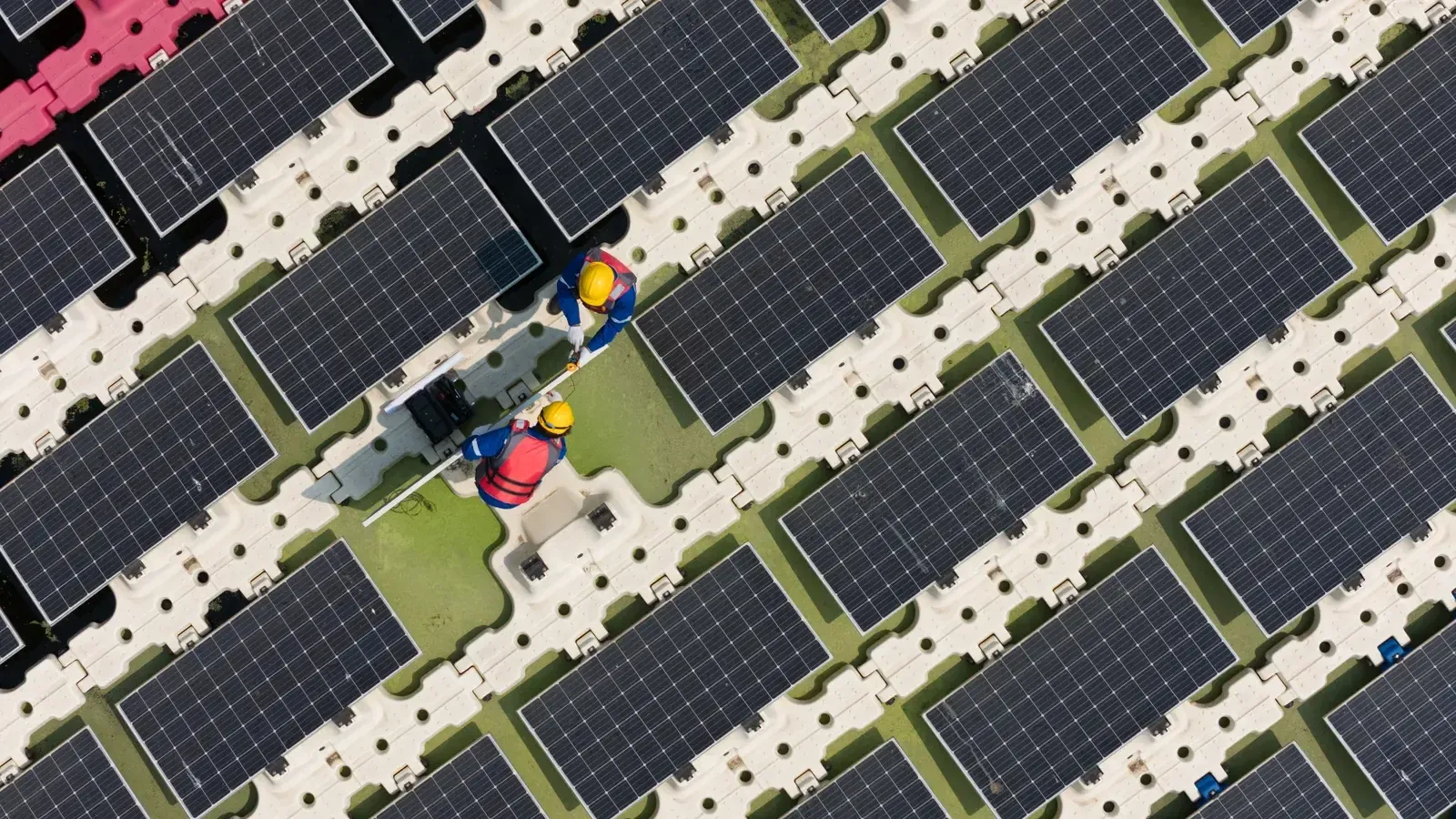
Controllers, switchgear and storage for commercial microgrids, sourced as an islanding-capable system rather than a standard grid-tied one with backup bolted on.
Islanding-capable microgrid equipment
Islanding controllers, not just backup inverters
A true microgrid needs a controller that can detect a grid outage, disconnect safely and manage generation and storage while islanded, a different capability than a standard backup-rated inverter. Sourcing here filters for that distinction.
Switchgear rated for automatic transfer
Automatic transfer switches and protective relays get sourced to the specific voltage and current the site's islanded operation requires, not a generic backup panel.
Storage sized for island duration, not just peak shaving
A microgrid's battery has to carry the site through an outage of a defined length, which is a different sizing exercise than demand-charge storage even at the same site.
What changes for true islanding
Get resilience that actually islands
Controller and switchgear selection targets real islanding capability, not a backup system marketed as one.
Size storage for outage duration
Battery capacity is set against how long the site needs to run islanded, not a generic capacity target.
Demand Charge Management

Battery and control equipment sized to a site's actual peak demand profile, where the payback math lives or dies on accurate sizing.
Storage sized to shave demand charges
Sizing against the actual peak, not an estimate
Demand-charge reduction only pays back if the battery is sized against a site's real interval data, and sourcing here starts from that peak demand profile rather than a rule-of-thumb kWh figure.
Control systems that actually shave the peak
A battery without the right control logic will discharge at the wrong moment, missing the peak it was sized to shave. Equipment here is evaluated on control sophistication, not just capacity.
Paired with solar where it helps, standalone where it doesn't
Some demand-charge problems are better solved by standalone storage than a solar-plus-storage system, and sourcing here doesn't force a bundle where a site doesn't need one.
What changes on demand-charge payback
Size against real interval data
Battery capacity ties to actual peak demand instead of a generic estimate that misses the payback target.
Get control logic that matches the tariff
Control systems get evaluated against how well they actually respond to the site's demand charge structure.
Behind-the-Meter Storage
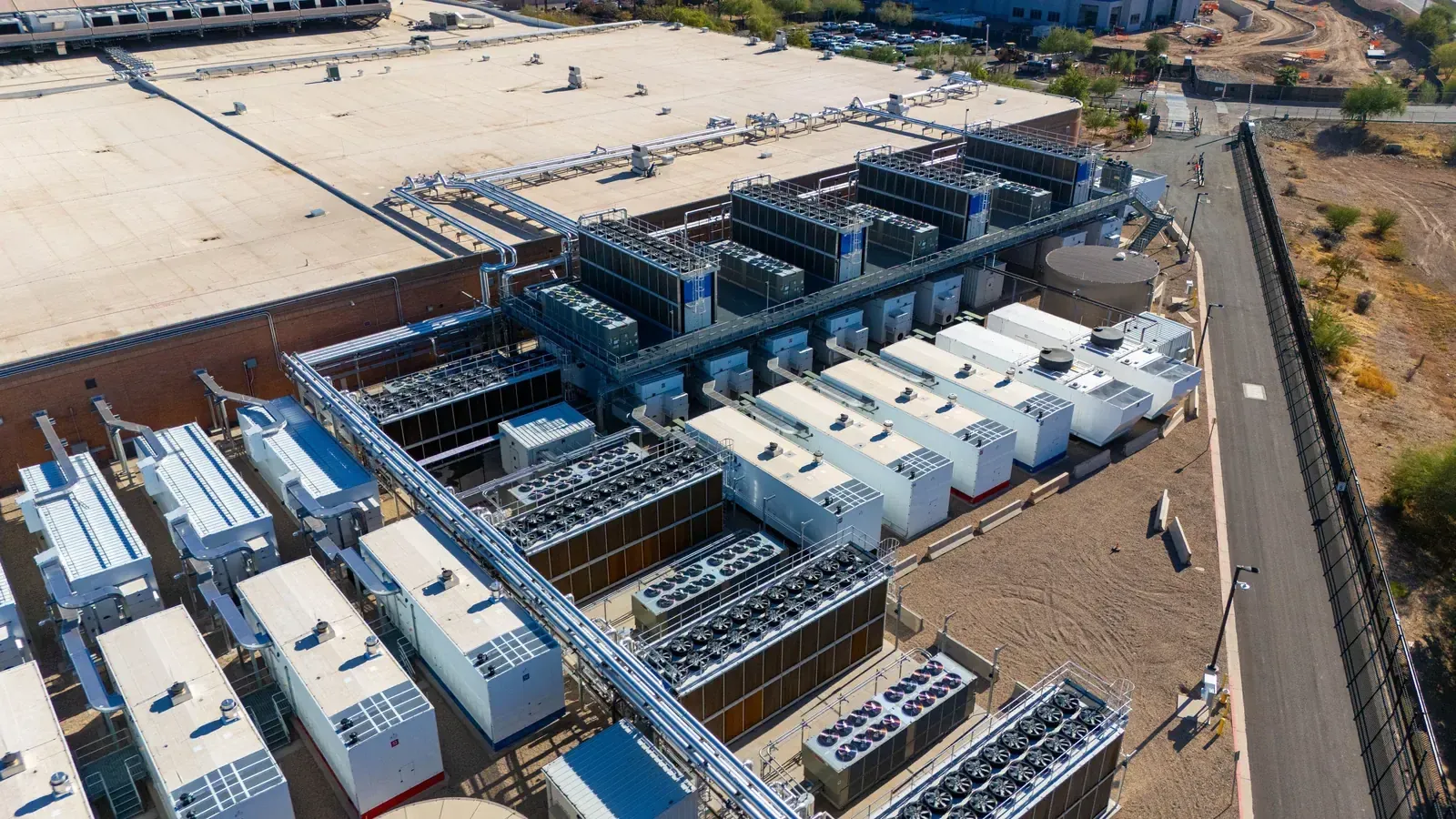
Commercial and industrial battery storage sized to real load profiles, sourced by LFP chemistry and duty cycle rather than a flat kWh number.
Commercial storage sized to real load
LFP as the default commercial chemistry
Lithium iron phosphate dominates new commercial listings on thermal stability and cycle life, which matter more at commercial duty cycles than the marginal energy-density edge older NMC chemistries offer.
Sized to the load profile, not a round number
Commercial storage sizing here starts from interval load data, whether the use case is demand-charge management, backup, or both, rather than a flat capacity target that doesn't match either job.
Dual-purpose systems where they pencil out
A single storage system can often serve both demand-charge reduction and backup power, and sourcing here flags which listed systems support that dual duty cycle without a control conflict.
What changes on storage sizing
Match chemistry and sizing to the actual use case
Demand-charge, backup or dual-purpose duty cycles each get sized correctly instead of borrowing a spec from a different application.
Price by kWh, not by brand premium
Landed cost per kWh compares across verified suppliers so a premium brand earns its price on the invoice.
Bring the C&I BoM. We'll price it landed.

Compare bids on modules, string inverters, racking and storage, normalize to delivered $/W and lock the equipment before the PPA closes.
Delivery planning for your project
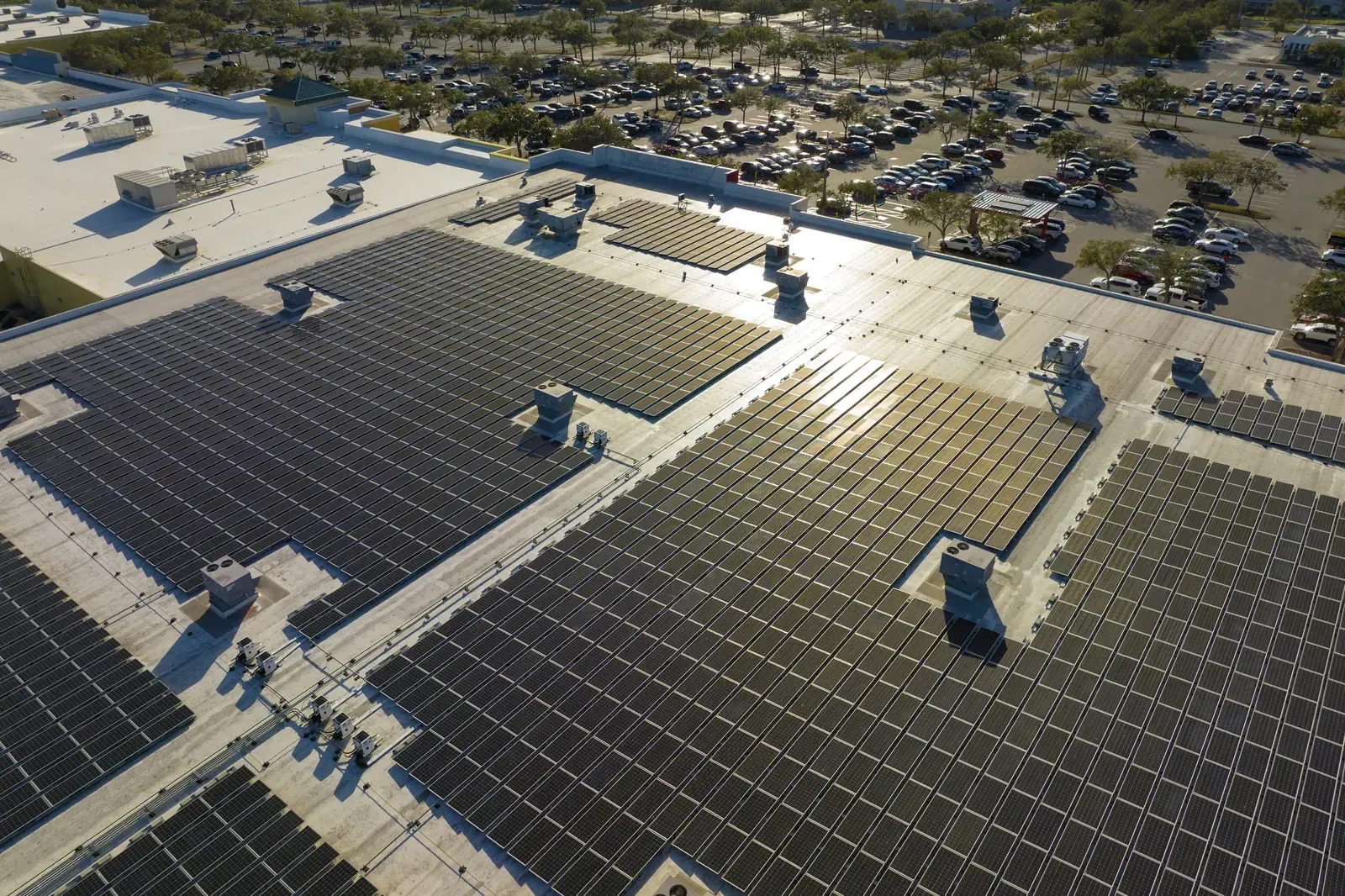
Cross-dock hubs and freight lanes tuned to how C&I crews stage racking, ballast and inverters on urban sites.
Guides for your next decision


Your questions, answered.
What equipment is specific to commercial and industrial solar versus residential?
C&I sites lean on ballasted flat-roof racking, carports and canopies, and behind-the-meter storage sized to demand charges, rather than the pitched-roof mounts and smaller string inverters typical of homes. Larger three-phase inverters, switchgear, and microgrid controls also come into play. Sunhub sources this gear against the site's actual structural and electrical constraints, not a generic system size.
Does a flat roof need different racking than a pitched roof?
Yes. Flat commercial roofs usually use ballasted or hybrid racking tilted to a fixed angle, which distributes weight without penetrating the membrane, while pitched roofs use flush-mount rails anchored to rafters. The choice depends on roof loading capacity, wind zone, and membrane type, so the racking should be matched to the actual roof rather than assumed.
Can storage and demand-charge management be sourced together?
Yes. Behind-the-meter storage and the controls that manage demand charges are typically specified as one package, since the battery is sized to shave peak demand rather than to a round kilowatt-hour figure. Sizing to the site's actual demand profile, instead of guessing, is what makes the storage pay back. Sunhub helps source both together against that profile.
What's the difference between ballasted and attached flat-roof racking?
Ballasted racking holds the array down with concrete blocks or weighted trays and typically needs no roof penetrations, which suits many membrane roofs. Attached racking anchors mechanically into the roof structure, adding uplift resistance where wind loads or roof loading limits rule out ballast. The right choice depends on the roof's load capacity, membrane, and site wind zone, so Sunhub selects by roof condition rather than defaulting to one system.
Does a TPO roof need different racking than a built-up roof?
Often yes, because the racking has to protect the membrane it sits on. TPO and other single-ply membranes usually call for protective slip sheets or pads under ballast trays and careful attachment detailing, while built-up roofs handle contact differently. Matching the racking and its interface to the actual membrane type helps preserve the roof warranty, which is why Sunhub matches the system to the membrane rather than the catalog.
More questions about these services
How does bifacial racking affect flat-roof albedo and yield?
Bifacial modules capture reflected light on the back side, so a high-albedo roof surface such as white TPO can add meaningful rear-side yield. Racking that tilts and elevates the modules increases the reflected light reaching the back, improving the bifacial gain. Actual uplift depends on roof reflectivity, tilt, and row spacing, so we spec bifacial-ready racking only where the roof surface and layout actually support the gain.
Does a solar carport require rapid shutdown wiring under NEC 690.12?
Rapid shutdown under NEC 690.12 applies to arrays on or in buildings, so a freestanding carport or canopy that is not attached to a building is generally exempt. That exemption depends on how the AHJ classifies the structure, so confirm the interpretation locally before you skip the hardware. Sourcing the carport as one structural package makes it easier to document that it is a detached structure.
Can EV chargers be integrated directly into carport structural columns?
Yes, carport columns are a natural place to mount EV charging equipment and route the conduit, since the structure already carries the array and the electrical infrastructure to that point. Plan the charger locations, conduit runs, and column loads during structural design rather than retrofitting after the steel is up. Ordering the carport and charging scope together keeps the column details and the EV provisions on one specification.
How is a carport foundation different from a standard racking foundation?
A carport foundation carries a tall, elevated structure with vehicle-height clearance, so it must resist much larger wind overturning and lateral loads than ground-mount racking that sits close to grade. That usually means deeper drilled piers or larger spread footings sized by a geotechnical report and the local wind and snow loads. Right-sizing the foundation to the site conditions is part of specifying the structure correctly the first time.
What equipment does a commercial microgrid need beyond standard solar and storage?
A microgrid adds the pieces that let it run disconnected from the utility, primarily an islanding controller or microgrid controller, switchgear or a transfer device rated to isolate from the grid automatically, and storage sized for the outage rather than just peak shaving. Protection, metering, and controls that coordinate generation and loads during an island round out the package. Sourcing these as one islanding-capable system, rather than bolting backup onto a grid-tied design, avoids integration gaps.
What does an islanding controller actually do?
It detects a grid outage, safely disconnects the site from the utility, and manages the transition to running on local solar and storage without dropping critical loads. During the island it balances generation against demand, keeps voltage and frequency stable, and reconnects cleanly once the grid returns. This is the control layer that turns solar plus batteries into a system that genuinely keeps running through an outage.
Can an existing grid-tied system be upgraded to microgrid capability?
In many cases yes, but it is rarely a simple add-on. You typically need to add an islanding-capable inverter or controller, transfer switchgear, and storage, and confirm the existing array and interconnection can support island operation. The economics and complexity depend on how the original system was designed, so an upfront assessment of what carries over and what must be replaced is worth doing before committing.
How is battery storage sized for demand charge reduction?
Sizing starts from the site's actual interval demand data, not a nameplate estimate, so you can see how high and how long each peak runs. The battery's power rating has to cover the peak reduction you want, and its energy capacity has to sustain that reduction through the full duration of the peak. Getting both right against real load data is what makes the demand-charge payback work, which is why Sunhub sizes equipment against the measured peak profile.
What's the difference between peak shaving and backup power sizing?
Peak shaving sizes the battery around your recurring demand peaks, discharging briefly and often to trim the highest points of the load curve and cut demand charges. Backup power sizes around riding through an outage, which usually means more energy capacity to carry critical loads for hours. A system tuned for one is rarely optimal for the other, so define the goal before you size.
Does demand charge equipment need a separate control system from the main inverter?
Often yes. Effective peak shaving depends on control logic that watches real-time demand and dispatches the battery against the specific tariff, which frequently sits in a dedicated energy management controller rather than the base inverter firmware. Some inverter platforms include this natively, but many do not, so confirm the control capability before you commit to hardware.
Why is LFP the default chemistry for commercial storage?
Lithium iron phosphate is the default for commercial and industrial storage because it offers strong cycle life, better thermal stability, and lower fire risk than nickel-based lithium chemistries, which matters for systems running daily demand-charge cycles. It also tends to hold value well on a cost-per-kWh basis over a long duty cycle.
How is commercial battery storage sized differently than residential?
Commercial storage is sized to the site's actual load profile and duty cycle, not a round kWh figure or a standard home backup number. That means looking at demand peaks, the depth and frequency of cycling, and how the system will be dispatched, so the battery matches real usage rather than a nameplate target.
Can commercial storage serve both demand-charge and backup use cases?
It can, when the economics support it. A dual-purpose system reserves capacity for outage backup while using the rest to shave demand-charge peaks, but the sizing has to reconcile two different dispatch patterns. Sunhub sizes these to the load profile so the system pencils out for both jobs rather than compromising one.
Put Sunhub to work on your next C&I build
Verified suppliers, transparent landed pricing and the freight to deliver ballast, racking and inverters on schedule.