Services for the solar trade

Get the product from the factory to the job.

A wholesale price is only part of the picture. Freight, handling and the final delivery all count. Bring them into the deal early, so the equipment you buy has a clear path to the job.
Logistics

Get the product from the factory to the job.

FTL/LTL, liftgate, ocean freight and last-mile.

Keep the shipment connected to the deal.

Product and freight, planned together

Bring quantities, packaging, collection details and delivery requirements into the purchasing conversation. The freight plan should reflect the order you actually agreed.

Storage when the site is not ready

Equipment availability and site readiness do not always line up. Discuss warehousing and staged releases alongside freight, with storage costs and handoffs agreed in advance.

A clear receiving plan

Make the last handoff explicit: who receives, when they are available and how the equipment comes off the truck. Small details here can prevent an expensive second trip.

Landed cost, not just the listing price.

Know what the quote includes

Freight, duties, port charges and the domestic leg can change the value of an order. Ask for the full cost breakdown and identify anything still to be confirmed before you commit.

Pay for speed where it matters

A replacement holding up a crew has a different deadline from planned warehouse stock. Share the required date and the cost of delay, so the shipping discussion starts with the job.

Freight Brokerage (LTL/FTL)

Freight Brokerage (LTL/FTL)

Vetted carrier access across North America with pre-negotiated lane rates for modules, inverters, racking and BESS containers.

Vetted carriers and pre-negotiated lanes

Carrier vetting built for fragile, high-value freight

Carriers get screened on equipment handling record and FMCSA compliance before they're eligible to move a solar shipment, since a module pallet handled like generic cargo is a damage claim waiting to happen.

Lane rates negotiated ahead of the shipment

Rates for common module, inverter, racking and BESS container lanes are pre-negotiated, replacing a fresh freight class quote every time a shipment needs to move.

LTL and FTL both covered

Less-than-truckload and full-truckload options are both sourced against the same vetted carrier network, matched to shipment size rather than defaulting to one mode.

Lower cost, fewer damage claims

Lower freight cost on recurring lanes

Pre-negotiated rates beat a fresh quote on lanes a business ships regularly.

Fewer damage claims from mishandling

Carriers vetted for solar equipment handling reduce the damage rate a generic freight broker doesn't screen for.
Liftgate & Flatbed Coordination

Liftgate & Flatbed Coordination

The right truck and unloading equipment matched to every dock, especially the sites, most active jobsites among them, that don't have one.

Liftgate and flatbed for hard sites

Liftgate for sites without a dock

Most active jobsites and a fair number of distributor yards don't have a loading dock, and liftgate-equipped trucks solve the ground-level unloading problem that standard freight assumes away.

Flatbed for oversized and irregular loads

Racking, tracker components and other oversized items that don't fit a standard dry van move on flatbed equipment instead, coordinated as part of the same delivery planning.

Accessorial fees quoted up front

Liftgate and flatbed service carry accessorial charges that a generic freight quote often buries, and those costs are itemized here before booking, not discovered on the final invoice.

Right truck, costs quoted up front

Avoid a truck that can't unload at the site

Liftgate or dock delivery gets matched to the actual site condition before the shipment leaves origin.

See the real delivered cost, accessorials included

Liftgate and flatbed fees are quoted up front instead of appearing as a surprise line item.
Ocean Freight Importing

Ocean Freight Importing

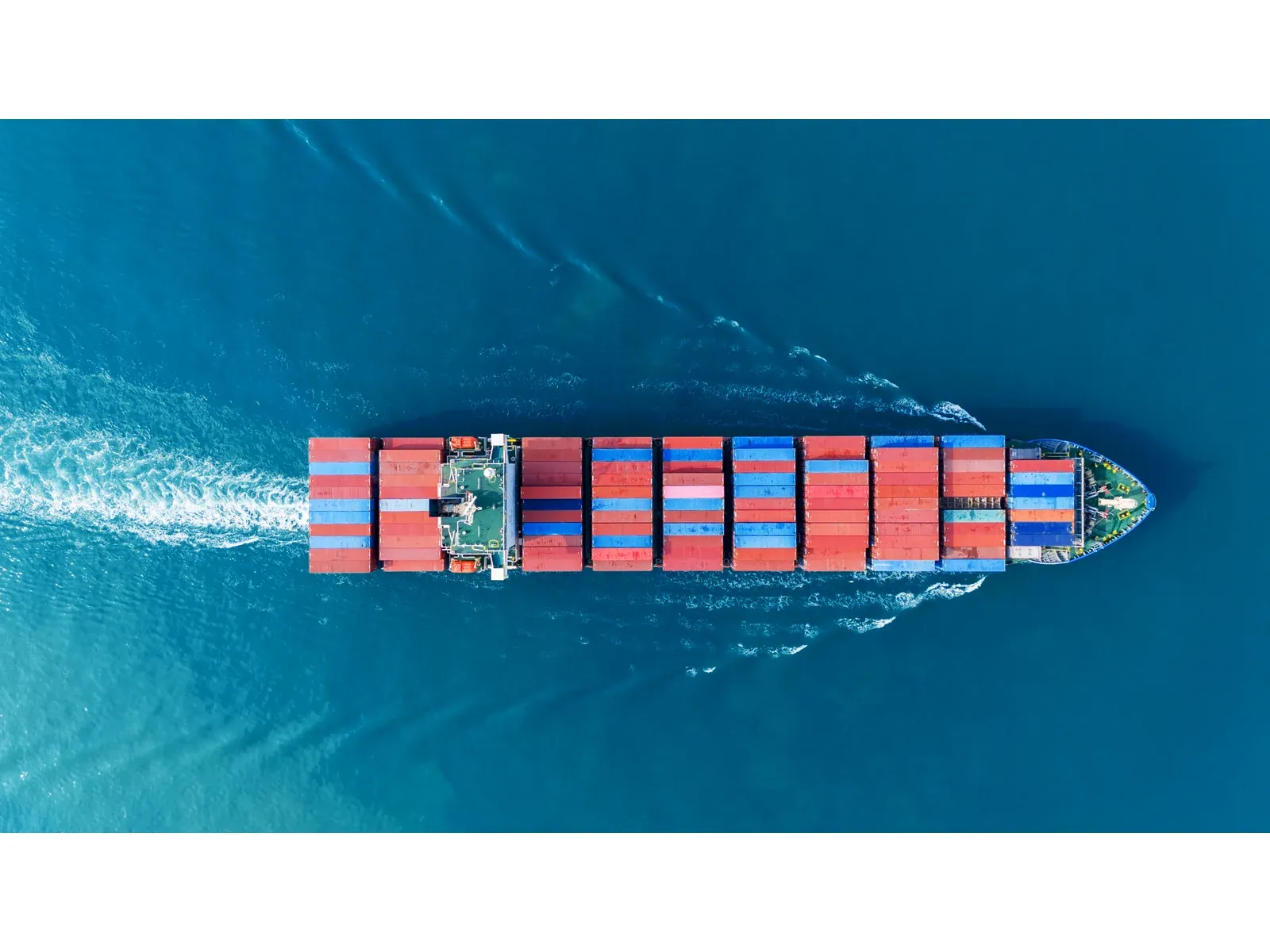
Container-level ocean freight orchestration from Asia and Europe, with FOB, CIF, DAP and DDP options and licensed broker handoff.

Container orchestration and shipping terms

Container-level orchestration, not a single-shipment booking

Full-container-load shipments get planned and tracked as part of a larger sourcing schedule, coordinating multiple containers across suppliers and arrival windows instead of booking each shipment in isolation.

Shipping terms matched to who bears the risk

FOB, CIF, DAP and DDP terms shift responsibility for freight, insurance and duties at different points in the journey, and the right term gets selected against how much risk and cost control a buyer wants to hold.

Licensed broker handoff on arrival

Customs clearance handoff happens through a licensed broker network at the port of entry, so a container doesn't sit in demurrage while paperwork gets sorted out after the fact.

Right terms, no port delays

Choose the shipping term that fits the deal

FOB, CIF, DAP or DDP gets selected deliberately based on who should hold freight and duty risk, not defaulted to whatever a supplier prefers.

Avoid port delays from a broker gap

Licensed broker handoff is arranged before the container arrives, not scrambled together after it does.

Customs & Compliance

Customs & Compliance

HTS coding, AD/CVD navigation and a licensed broker network built around the specific complexity of importing solar equipment.

HTS coding, duties and UFLPA

Correct HTS classification from the start

Solar modules and cells classify under specific HTS codes, and getting that classification right the first time avoids the delays and penalties that come with a customs reclassification after entry.

AD/CVD and Section 201/301 navigation

Antidumping and countervailing duty determinations on Southeast Asian countries of origin now stack with Section 201 safeguard tariffs and Section 301 duties, and landed cost gets calculated against the actual combination of duties a specific origin triggers.

UFLPA traceability documentation

Forced labor prevention enforcement now reviews thousands of solar shipments a year, and full traceability to polysilicon origin is what a rebuttal actually requires if a shipment gets flagged. Documentation here builds that traceability into the import file before a shipment ships, not after it's detained.

Correct landed cost, less detention risk

Price landed cost correctly the first time

Duty exposure across AD/CVD, Section 201 and Section 301 gets calculated before a shipment leaves origin, not discovered at the port.

Reduce UFLPA detention risk

Traceability documentation is built into the file from the start, which is what a rebuttal needs if a shipment is reviewed.

Last-mile to Jobsite

Last-mile to Jobsite

Time-windowed deliveries coordinated directly to active project sites, scheduled to match a crew's actual timeline.

Jobsite delivery timed to the crew

Delivery scheduled to the crew, not the carrier

Time-windowed delivery coordinates to when a crew is actually staged to receive and stage equipment, rather than a carrier's standard delivery appointment that may land days before or after it's useful.

Built for active construction sites

Jobsite access, staging space and unloading equipment get planned for a live construction environment, which is a different problem than delivering to a warehouse dock.

Flexible rescheduling when a site isn't ready

Weather delays and schedule slips are common on active jobs, and last-mile coordination here accounts for rescheduling without treating it as a failed delivery.

No wasted delivery attempts

Stop paying for a wasted delivery attempt

Delivery timing matches the crew's actual readiness instead of a fixed appointment that may miss the window.

Keep equipment moving even when a schedule slips

Rescheduling is built into the coordination process, not treated as an exception.

Damage Claims Management

Damage Claims Management

End-to-end recovery on transit losses, from damage documentation through carrier claim filing, so a damaged pallet doesn't become a written-off cost.

Documenting and filing transit claims

Documentation built for a successful claim

Transit damage on palletized solar equipment isn't rare, and claims here start with the shock and tilt indicator data, photos and inspection records a carrier's claims department actually requires, not assembled after the fact.

End-to-end filing and follow-up

Claims get filed and tracked through to resolution rather than left to a buyer's own follow-up with an unresponsive carrier claims line.

Coordinated with manufacturer warranty where it applies

Where damage overlaps with a manufacturer defect question, claims coordination accounts for both so a buyer isn't caught between a freight carrier and a manufacturer each pointing at the other.

Recovering more of transit losses

Recover more of what transit damage actually costs

Complete documentation from the start improves the odds a claim gets paid instead of disputed.

Stop chasing an unresponsive claims department

Filing and follow-up get managed through to resolution instead of left to a buyer's own persistence.

Guides for your next decision

Your questions, answered.

What logistics services are negotiated specifically for solar equipment versus general freight?
Solar shipments involve oversized pallets, fragile modules, and heavy inverters and transformers that general freight is not tuned for, so rates and handling are negotiated with that in mind, liftgate and flatbed coordination, damage-aware handling, and jobsite last-mile access. The result is freight priced and routed for the equipment, not treated as generic cargo.
Does Sunhub handle both domestic and international freight?
Yes. Sunhub coordinates domestic FTL and LTL, ocean freight for imports, drayage from the port, and last-mile delivery to the jobsite, along with the customs and compliance steps on imported equipment. That means one relationship can move equipment from an overseas factory all the way to the site.
Can damage claims be managed through the same logistics relationship?
Yes. Damage claims management is part of the logistics service, so if equipment arrives damaged the claim is handled through the same relationship that arranged the shipment rather than leaving you to fight it with a carrier alone. Keeping it in one place speeds resolution and re-shipment.
What's the difference between LTL and FTL freight for solar shipments?
LTL (less-than-truckload) shares trailer space among multiple shippers and suits smaller orders that don't fill a truck, while FTL (full truckload) dedicates the whole trailer to one shipment. FTL usually means less handling and lower damage risk for fragile modules, but LTL is more economical for partial loads. Sunhub covers both and matches the mode to the order.
How are carriers vetted for solar equipment freight?
Carriers are screened for their ability to handle fragile, high-value freight like modules, inverters and BESS containers, looking at handling record, equipment, insurance and claims history rather than price alone. The goal is fewer damage claims from mishandling. Sunhub works with a vetted carrier network built specifically around solar equipment.
More questions about these services
Are lane rates negotiated per shipment or pre-set across a relationship?
Sunhub pre-negotiates lane rates ahead of the shipment across recurring lanes, so pricing is set at the relationship level rather than bid out every time you ship. That lowers freight cost on repeat lanes and removes the per-shipment rate scramble.
When does a solar delivery need a liftgate truck instead of standard freight?
A liftgate truck is needed when the site has no loading dock or forklift to bring palletized equipment down from the trailer bed to the ground. Many active jobsites lack a dock, so matching the right unloading equipment to the site avoids a truck that physically cannot complete the delivery.
What's the difference between liftgate and dock delivery for palletized equipment?
With dock delivery, the trailer backs up to a raised dock and pallets roll straight off, no special equipment required. Liftgate delivery uses a hydraulic platform on the truck to lower pallets to ground level where there is no dock. The difference is how the freight gets from trailer height to the ground.
Do liftgate deliveries cost more than standard freight?
Liftgate service is usually an accessorial fee on top of base freight, since it requires specialized equipment and extra handling time. Sunhub quotes accessorials like liftgate up front so you see the real delivered cost, rather than absorbing a surprise charge after the truck arrives.
What's the difference between FOB, CIF, DAP and DDP for solar equipment imports?
These Incoterms set where responsibility and risk pass from seller to buyer. Under FOB the seller delivers to the origin port and you handle ocean freight, insurance, and import onward. CIF adds ocean freight and insurance to destination port but leaves import clearance to you. DAP delivers to your named destination with you handling import duties and clearance, while DDP has the seller deliver fully cleared with duties paid. The right term depends on who should bear the freight, insurance, and customs risk on the deal.
How long does ocean freight typically take from Asia versus Europe?
Transit varies by origin port, destination, routing, and season, but Asia-to-US-West-Coast sailings are typically a few weeks, with East Coast routings longer, and Europe-to-US-East-Coast generally somewhat shorter than trans-Pacific. Add time for booking, port handling, and inland delivery beyond the sailing itself. Treat any single figure as an estimate and confirm against current schedules when planning a delivery date.
Does ocean freight coordination include customs clearance on arrival?
Ocean freight orchestration includes a handoff to a licensed customs broker on arrival, so clearance is coordinated rather than left as a gap that strands containers at port. Whether the seller or buyer is responsible for the clearance itself depends on the shipping term chosen, for example DDP has it handled before delivery while FOB or CIF leaves import clearance to the buyer.
What HTS codes apply to imported solar modules and cells?
Solar cells and modules generally fall under Harmonized Tariff Schedule headings for photovoltaic devices, with the specific subheading depending on whether cells are assembled into modules and other product details. Because classification drives duty rates and trade-remedy exposure, the exact code should be confirmed against the current HTS and, ideally, a customs ruling. Getting HTS classification right from the start is what makes landed cost accurate rather than a surprise at entry.
How do antidumping and countervailing duties affect landed cost?
AD/CVD duties are added on top of the normal tariff and can be substantial, and they depend on the product's origin, the specific manufacturer, and the active case, so two similar shipments can land at very different costs. Rates are also subject to review and can change or apply retroactively. Screening origin and manufacturer against current AD/CVD orders before you buy is essential to pricing landed cost correctly the first time.
What does UFLPA compliance require for solar imports?
UFLPA creates a rebuttable presumption that goods with links to certain regions are barred from entry, so importers need traceability documentation showing the supply chain back through polysilicon and upstream inputs. In practice that means detailed, well-organized records and mapping ready to present to CBP. Strong UFLPA traceability documentation is what reduces the risk of shipments being detained at the border.
Why does last-mile delivery need separate coordination from long-haul freight?
Long-haul freight moves equipment efficiently between hubs, but an active jobsite has access limits, crew timing, and readiness constraints that a carrier's default schedule ignores. Last-mile is coordinated to the crew's actual timeline and the site's conditions. Handling it separately avoids deliveries that show up when the site cannot receive them.
Can delivery windows be scheduled around a specific crew's timeline?
Yes, last-mile deliveries are time-windowed and scheduled to match when the crew actually needs the equipment on site. Aligning delivery to the crew rather than the carrier's convenience keeps material arriving as work reaches it. That reduces both idle crews and material sitting exposed too early.
What happens if a jobsite can't accept delivery on the scheduled day?
When a site is not ready, the delivery can be rescheduled rather than forcing a wasted attempt and a redelivery fee. Because schedules slip on active construction, that flexibility keeps equipment moving without penalizing a delay. The aim is to hold or redirect the delivery instead of eating a failed drop.
How common is transit damage on solar equipment shipments?
Transit damage is a routine risk on solar freight because modules are large, glass-fronted, and handled across multiple carriers and transfers. Corner crushing, cracked glass, and pallet damage are the common failure modes. It happens often enough that documentation at delivery matters, which is why Sunhub builds the receiving record to support a claim before a damaged pallet becomes a written-off cost.
What documentation is needed to file a successful freight damage claim?
A strong claim usually needs delivery photos of the damage and packaging, damage noted on the bill of lading or delivery receipt at receipt, the packing list and invoice, and a record of the affected quantities. Documenting before signing off is critical, since unnoted damage is far harder to recover. Sunhub handles the documentation and filing end to end so the record supports the claim.
How does warranty coverage interact with a freight damage claim?
They cover different things. A freight claim recovers loss caused in transit, while a manufacturer warranty covers defects in the product itself, so damage from handling is normally a carrier claim, not a warranty matter. Where the line is unclear, Sunhub coordinates the freight claim with manufacturer warranty support so the recovery routes to the party actually responsible.

Plan the next step for your business

Tell our team what you need, and explore the Sunhub services that fit your business.

Plan your shipment