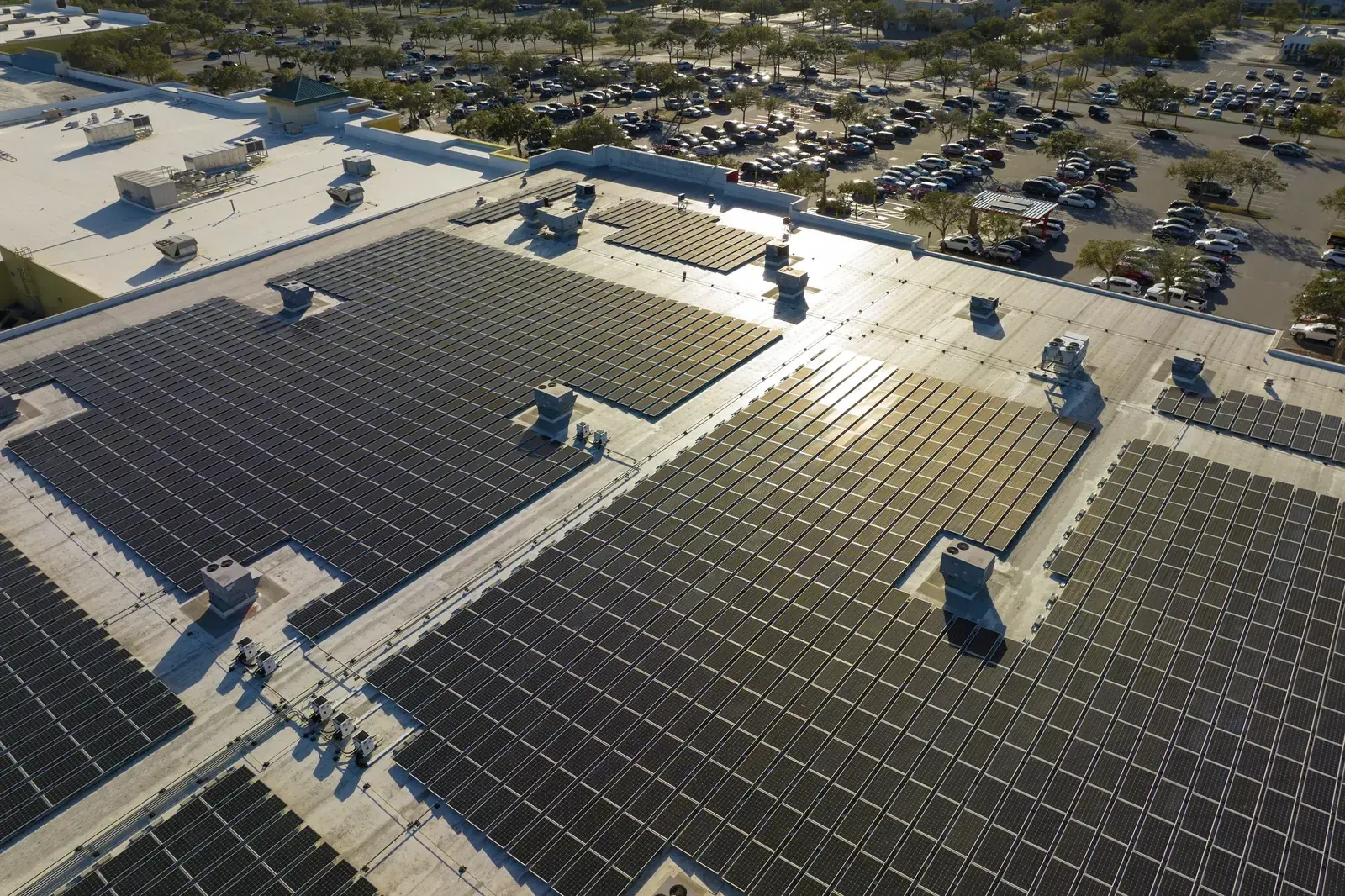
MW-scale solar procurement at delivered $/Wdc
MW-scale solar procurement priced at delivered dollar-per-watt-DC, benchmarked against current market across trackers, modules and BOS.
Delivered $/Wdc pricing across equipment categories
Priced at delivered $/Wdc, not FOB
Procurement pricing reflects the full delivered cost per watt DC, freight and duties included, so a bid built on this number matches what actually lands on an invoice.
Benchmarked across current market, not last cycle
Pricing benchmarks against current market data across trackers, modules and BOS, since utility-scale equipment pricing has moved meaningfully with recent tariff and domestic-content policy changes.
Bundled across the major equipment categories
Modules, trackers and BOS can procure under one coordinated agreement instead of separate negotiations per category, simplifying both pricing and delivery sequencing.
Bid on real delivered cost
Bid on real delivered cost
Pricing includes freight and duties from the start, so a project bid doesn't get undercut by a landed-cost surprise later.
Stay current on a fast-moving market
Benchmarking reflects current tariff and policy conditions, not assumptions from a prior procurement cycle.
Your questions, answered.
How is delivered dollar-per-watt-DC calculated across a full bill of materials?
Delivered dollar-per-watt-DC totals the landed cost of the full bill of materials, modules, trackers, and balance-of-system, including freight, duties, and any tariff exposure, then divides by the system's DC nameplate wattage. Unlike an FOB or ex-works figure, it reflects what the equipment actually costs at the site. That makes it the number to bid against, because it captures logistics and trade cost that FOB pricing leaves out.
Does MW-scale procurement include allocation guarantees on tight timelines?
Allocation and delivery commitments depend on the manufacturer, the equipment category, and current market conditions, so they are negotiated deal by deal rather than assumed. On tight timelines, securing allocation early and in writing is what protects a schedule. Sunhub benchmarks against the current market so those commitments reflect real availability, not last cycle's.
Can procurement bundle modules, trackers and BOS under one agreement?
Yes. MW-scale procurement can bundle modules, trackers, and balance-of-system under one agreement priced at delivered dollar-per-watt-DC. Bundling the major categories simplifies the bill of materials, aligns delivery, and gives a single benchmarked cost to bid against instead of stitching quotes together.
Can I normalize bids to delivered $/Wdc across different incoterms?
Yes. FOB, CIF and DDP bids all reduce to one delivered $/Wdc basis with freight and duties included, so you compare true landed cost line by line instead of decoding incoterms by hand.
How is AD/CVD exposure handled on module bids?
Country of origin and tariff exposure are surfaced on every module line at quote time, so you can weigh a low FOB price against the duty and detention risk before you award.
 ®